
The smell of freshly shaved basswood is a literal drug; it has that sweet, earthy scent that signals a weekend of pure creation. When you run your thumb across a raw timber blank, you are feeling the cellular structure of the tree itself. This is the foundation for creating Hand Carved Name Plaques that will hang on a nursery door for decades. You are not just making a sign; you are manipulating cellulose fibers and lignins to capture a name in three dimensions.
I want you to imagine the resistance of the grain against a razor-sharp bevel. It is tactile and deliberate. Basswood is the gold standard here because its grain is tight and consistent, meaning it has low internal tension and won't splinter when you change direction. We are going for a finish so smooth it feels like polished bone. This project is the ultimate intersection of physics and art. We are using the tensile strength of the wood to hold delicate serifs in place while ensuring the piece is light enough to hang without damaging a door frame. Grab your coffee; we are about to turn a block of wood into a family heirloom.
THE STUDIO KIT
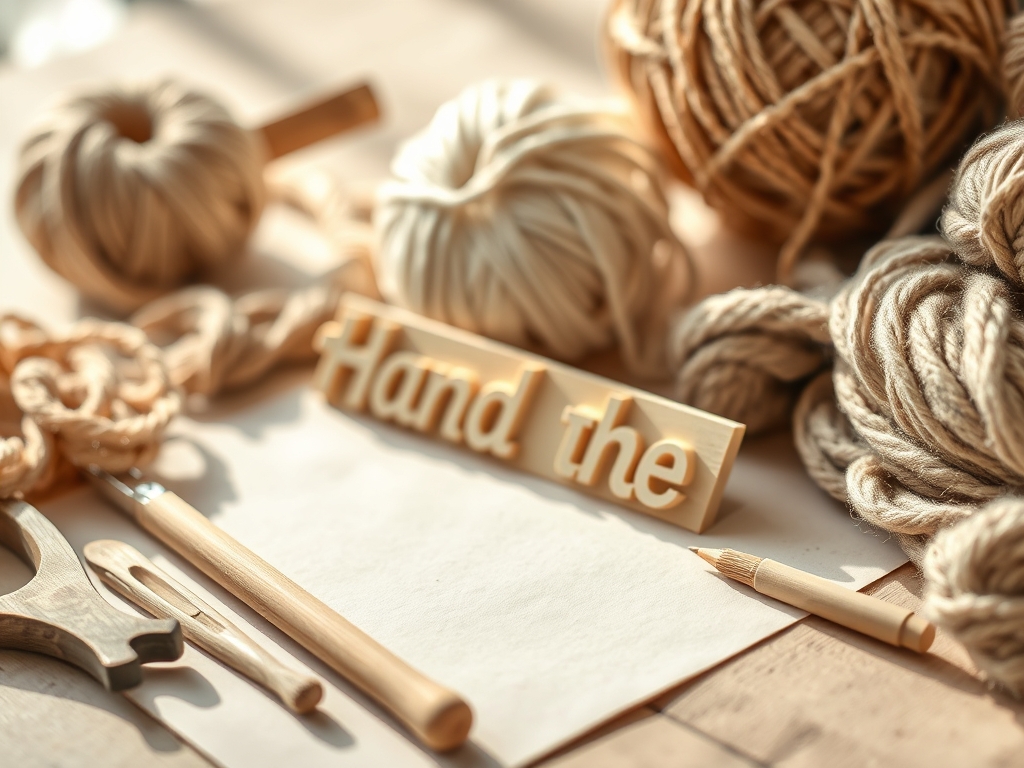
To master this, you need a kit that respects the **molecular density** of your medium. Your primary tool is a high-carbon steel **chip carving knife** with an ergonomic handle to prevent carpal fatigue. You will also need a set of micro-gouges for those tight curves in fonts like Edwardian Script. I always keep a digital **caliper** on hand to ensure the depth of my cuts is uniform to within a tenth of a millimeter. This consistency is what separates a hobbyist from a master.
For the layout, grab a 6H graphite pencil; the hard lead won't smudge or bleed into the porous wood fibers. You also need a leather strop and polishing compound. A dull blade is a dangerous blade because it requires more force, which leads to slips. If you cannot find basswood, a great material substitution is butternut or high-density urethane (HDU) foam. While HDU lacks the organic soul of timber, it has zero grain direction, making it an incredible practice surface for complex lettering.
THE TEMPO
The "Maker's Rhythm" is a real psychological state where your breathing syncs with the stroke of the blade. For a standard six-letter name plaque, expect a ten-hour journey. The first two hours are the "Blueprint Phase," where you map the kerning and letter spacing. The next five hours are the "Bulk Removal," where you clear the negative space. The final three hours are the "Refinement," where you burnish the edges and apply a non-toxic, nursery-safe finish. Do not rush the grain. If you try to carve too fast, you risk "tear-out," which is when the wood fibers snap instead of shearing.
THE CORE METHOD
1. The Typography Transfer
Start by printing your chosen font and using a bone folder to burnish the back of the paper against the wood. This creates a faint indentation of the letters. Use your 6H pencil to define the edges clearly.
Mastery Tip: This step relies on friction-based transfer. By applying even pressure, you are slightly compressing the surface tracheids of the wood, creating a physical guide that the tip of your knife will naturally follow.
2. The Stop Cut
Hold your knife at a ninety-degree angle and trace the entire outline of the name. This "stop cut" severs the horizontal fibers, preventing future deep cuts from traveling too far into the wood.
Mastery Tip: This is about managing shear stress. By pre-cutting the fibers, you create a structural boundary that protects the integrity of the letterform during the heavy lifting phase.
3. Relieving the Negative Space
Using a shallow gouge, begin removing the wood around the letters. Always work from the letter outward. This creates a "bas-relief" effect where the name stands proud of the background.
Mastery Tip: Pay attention to grain orientation. If the wood starts to "dive" or get fuzzy, you are carving against the grain. Flip the plaque 180 degrees to work with the natural slope of the fibers.
4. Refining the Bevels
Use your detail knife to create 45-degree chamfers on the edges of the letters. This catches the light and gives the plaque a professional, crisp appearance.
Mastery Tip: This utilizes specular reflection. Sharp, angled edges bounce light more effectively than rounded ones, making the name "pop" even in the soft lighting of a nursery.
5. Final Burnishing and Sealing
Instead of heavy sanding, which clogs the pores with dust, use a smooth piece of hardwood to rub the surface. This collapses the surface cells and creates a natural luster. Finish with a food-grade beeswax.
Mastery Tip: Beeswax uses capillary action to seep into the wood, providing a moisture barrier without the off-gassing of synthetic polyurethanes.
THE TECHNICAL LEDGER
Maintenance & Longevity: To keep the wood from warping, avoid hanging the plaque in direct sunlight or near a humidifier. The UV rays can break down the lignin, causing the wood to silver and become brittle over time. A quick buff with a microfiber cloth once a month is all it needs.
Material Variations: For a premium feel, try black walnut. It has a high Janka hardness rating, meaning it is tougher to carve but holds incredibly fine detail. For a sustainable option, look for reclaimed cedar shingles; they are naturally rot-resistant and have a gorgeous aromatic quality.
The Correction:
- The Slip: If the knife jumps and nicks a letter, don't panic. Mix fine sawdust with a drop of wood glue to create a "structural paste" to fill the gap.
- Tear-out: If a chunk of wood snaps off, it is usually due to a dull blade. Re-hone your edge on the strop immediately.
- Uneven Depth: Use your caliper to find the deepest point and gradually bring the rest of the background down to match.
Studio Organization: Store your wood blanks horizontally in a cool, dry place. Storing them vertically can lead to bowing due to hygroscopic expansion. Keep your carving knives in a tool roll to protect the delicate tips from chipping.
THE FINAL REVEAL
There is nothing quite like the moment you wipe away the last bit of carving dust and see the name standing out in bold, sculptural relief. The light hits those hand-cut bevels, and you realize you have created something that didn't exist in the world ten hours ago. It is sturdy, it is elegant, and it has that unmistakable "handmade" soul. Your Hand Carved Name Plaques are now ready to be the first thing a child sees every morning. It is high-energy, high-impact decor that carries the weight of true craftsmanship.
STUDIO QUESTIONS
What is the best wood for beginners?
Basswood is the undisputed champion. It has a low Janka hardness and a very fine, straight grain. This makes it incredibly easy to shear with hand tools without worrying about the wood splitting or resisting the blade.
How do I keep my carving tools sharp?
Use a leather strop loaded with a fine abrasive compound. Stroke the blade away from the edge at a consistent angle every 20 minutes of carving. This maintains the micro-bevel and ensures clean, effortless cuts through the fibers.
Can I use a rotary tool instead?
Yes, an oscillating tool or rotary carver works well for bulk removal. However, you will lose the crisp, faceted look of a hand-carved edge. Manual knives provide a tactile precision that power tools simply cannot replicate in small-scale lettering.
How do I fix a mistake in the wood?
For small nicks, use the "steam method." Place a damp cloth over the dent and touch it with a soldering iron. The heat causes the cellulose cells to expand, often popping the dent back to the surface for sanding.
Is wood glue safe for nursery items?
Most modern PVA wood glues are non-toxic once cured. However, for a nursery, it is best to use a "GreenGuard Gold" certified adhesive. Always prioritize natural finishes like beeswax or carnauba wax to ensure the piece is completely chemically inert.