
Imagine the bite of cold metal against your palm as you weigh a raw slab of sterling. It is dense; it has a specific gravity of 10.49 which gives it that satisfying, expensive heft. We are not just making jewelry today. We are building tiny, hinged vaults for your most precious memories. When you start crafting custom silver lockets, you are engaging in a dance with metallurgy and mechanical engineering. You can feel the molecular tension as you anneal the silver; the heat rearranges the crystalline structure to make it buttery soft and ready for your jeweler's saw. We are going to push the boundaries of what a standard locket can be by integrating five intricate architectural designs that defy the boring old oval. Grab your safety glasses and a strong espresso because we are diving deep into the science of silver.
THE STUDIO KIT
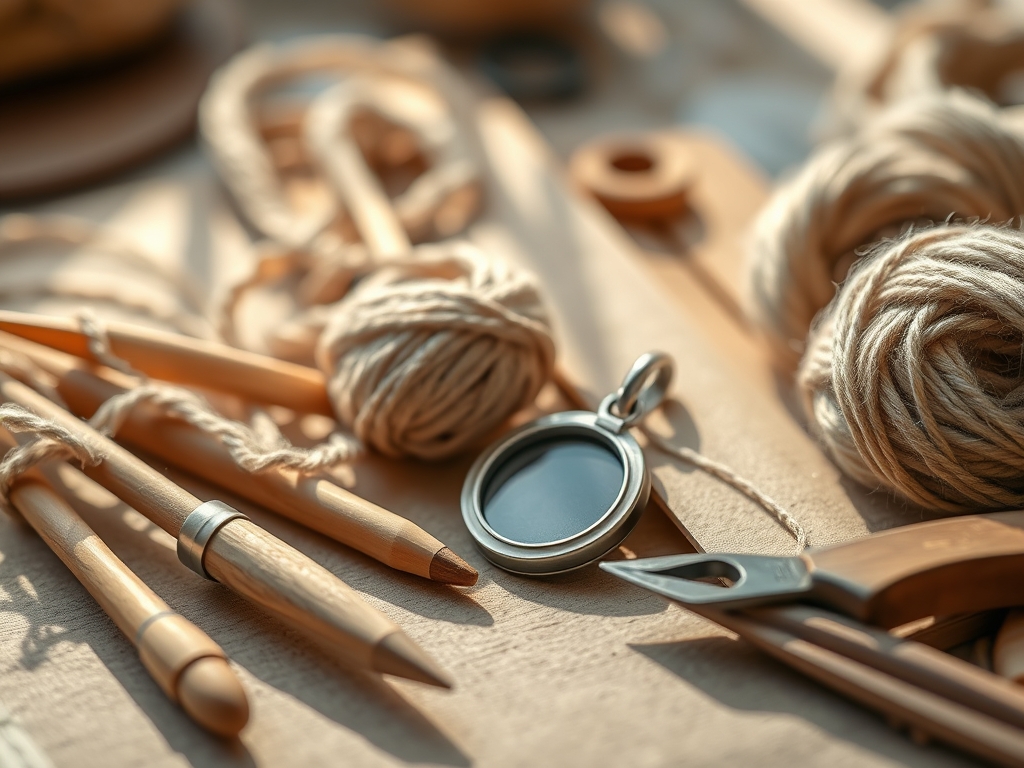
To master custom silver lockets, your bench needs to be a temple of precision. You will need dead-soft sterling silver sheet (20-gauge is the sweet spot for structural integrity) and hard, medium, and easy silver solder. Each solder has a different melting point; this allows you to perform multiple joins without melting your previous work. You must have a jeweler's saw with 4/0 blades for those microscopic cuts and a digital caliper to ensure your hinge knuckles are aligned to the tenth of a millimeter. For the finish, a burnishing tool and a flex shaft with various grit radial bristles are essential.
Material Substitutions: If sterling silver is out of your current budget, you can practice these techniques using nu-gold or red brass. These alloys have similar thermal conductivity and tensile strength, though they oxidize faster than silver. For the photo covers, if you do not want to use traditional glass, optically clear resin or die-cut polycarbonate provides excellent impact resistance and UV protection for the images inside.
THE TEMPO
The maker's rhythm is a three-act play. Phase one is the Architectural Layout, which takes roughly two hours. This is where you calculate the circumference and the precise placement of the hinge pin. You cannot rush the math; if your hinge is off by a hair, the locket will never snap shut with that satisfying "click." Phase two is the Metalwork and Soldering, the longest stretch at four to six hours. This is the heart of the process where you are managing heat zones and surface tension. Finally, phase three is the Finishing and Setting, taking another two hours. This involves the slow, meditative process of polishing and carefully seating the family photos. Total project time averages ten hours per locket. Do not fight the clock; let the metal dictate the pace.
THE CORE METHOD
1. The Geometric Mandala Cutout
Start by applying a paper template to your silver sheet with a light adhesive. Use your center punch to mark every interior void. This design relies on negative space to create a "peek-a-boo" effect for the photo. Using your jeweler's saw, thread the blade through each hole and cut with vertical strokes. Mastery Tip: This technique utilizes structural triangulation. By leaving thin "ribs" of metal between the cutouts, you maintain the locket's rigidity while reducing its overall mass.
2. The Art Nouveau Filigree Overlay
This design involves soldering delicate 26-gauge wires onto the surface of a solid locket face. You must use a charcoal block to reflect heat back into the piece. Lay out your scrolls using needle-nose pliers, ensuring each wire touches at least two points for a secure bond. Mastery Tip: This relies on capillary action. When the silver reaches its flow point, the solder will naturally pull into the tightest crevices between the wire and the base plate, creating a seamless, high-strength join.
3. The Kinetic Rotating Compass
Instead of a standard hinge, this design uses a central rivet system. The front plate of the locket rotates 360 degrees to reveal the photo. You must drill a hole through both plates using a #60 twist drill bit. Mastery Tip: This is an exercise in frictional coefficients. By slightly doming the interior washers, you create just enough tension to keep the locket from spinning freely, ensuring it stays closed until you intentionally move it.
4. The Hidden Compartment Book Locket
We are building a multi-page locket that mimics a miniature tome. This requires a stepped hinge where multiple leaves are stacked. Each "page" must be slightly smaller than the one above it to allow the stack to compress without bulging. Mastery Tip: This design tests the tensile strength of your hinge pin. Using a stainless steel pin instead of silver provides a higher yield strength, preventing the hinge from sagging under the weight of multiple silver pages.
5. The Victorian Repousse Floral
This is the most tactile design. You will use pitch and chasing tools to push the silver from the back, creating a 3D relief. The silver must be annealed frequently to prevent work-hardening and cracking. Mastery Tip: This process exploits ductility. Silver can be stretched significantly before failure, but you must monitor the grain direction of the metal to ensure the relief remains crisp and does not develop "orange peel" texture.
THE TECHNICAL LEDGER
Maintenance & Longevity: Custom silver lockets are susceptible to atmospheric sulfur, which causes tarnish. To maintain the finish, store the locket in a low-humidity environment with an anti-tarnish strip. For cleaning, avoid abrasive pastes; use a soft microfiber cloth and a solution of mild dish soap to preserve the delicate hinge mechanism.
Material Variations: For a sustainable approach, source EcoSilver, which is 100% recycled from medical and electronic waste. It has the same chemical properties as mined silver. For a premium upgrade, use Argentium silver, which contains germanium. This alloy is highly tarnish-resistant and can be fusion-welded, eliminating the need for solder in many joints.
The Correction:
- The Wonky Hinge: If the locket does not close flush, the knuckles are likely misaligned. Use a barrette file to slowly shave the high side until the seam disappears.
- Solder Pits: If you see tiny holes in your solder line, you overheated the metal. File the area flat, apply a tiny bit of "easy" solder, and reflow with a concentrated flame.
- Cracked Metal: If the silver cracks during repousse, you skipped an annealing cycle. You must solder a patch on the back or start over; there is no way to "heal" a structural fracture in the grain.
Studio Organization: Store your silver sheets in airtight poly bags labeled by gauge. Keep your files in a rack so the teeth do not rub together, which preserves their sharpness. Always sweep your bench into a "scrap bin" to reclaim silver dust for future casting.
THE FINAL REVEAL
Look at that! You have transformed a flat, cold sheet of metal into a sophisticated heirloom. When you hold the finished locket, notice how the light plays off the burnished edges and how the hinge moves with zero lateral play. It is a masterpiece of personal engineering. The custom silver lockets you have created are more than just jewelry; they are protective vessels for history, designed to last for generations. The weight, the sound of the snap, and the intricate detail all scream professional quality. You should be incredibly proud of this technical achievement.
STUDIO QUESTIONS
How do I prevent the silver from melting during soldering?
Monitor the flux color. When the flux becomes clear and glassy, you are approaching the flow point. Move your torch in a circular motion to distribute heat evenly and prevent "hot spots" that lead to accidental melting.
What is the best way to secure photos inside?
Use a burnishing tool to press a thin silver bezel wire over the edges of the photo and its protective cover. This mechanical cold-connection is more durable and cleaner than using adhesives, which can yellow over time.
Can I use a laser engraver on these lockets?
Yes, but you must apply a laser marking spray first. Silver is highly reflective and will bounce the laser beam. The spray creates a dark, permanent mark that the laser can bite into for high-contrast designs.
Why does my silver turn black when I heat it?
That is firescale, a layer of copper oxides that forms beneath the surface. To prevent it, coat the entire piece in a boric acid and alcohol barrier flux before heating. If it appears, remove it with a dedicated pickling solution.