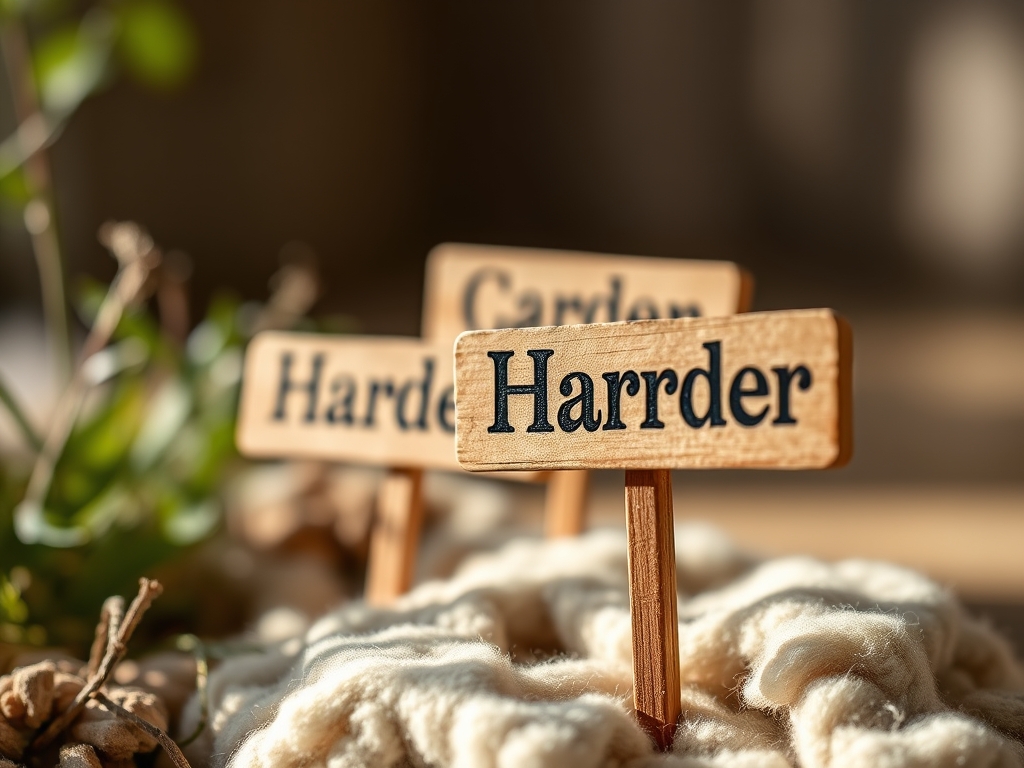
Close your eyes and feel the grit of cold-pressed ceramic against your palms or the slick, oily resistance of aromatic cedar. There is a specific kind of magic in the resistance of raw materials. When you set out to create Personalized Garden Markers, you are not just making labels; you are engineering a bridge between botanical life and human memory. The weight of a jeweler's saw in your hand or the sharp scent of scorched wood as a pyrography pen bites into a surface creates a visceral connection to the earth. We are looking for high tensile strength and weather resistance here. Whether you are working with the high density of slate or the malleable grace of copper, the goal is to create something that survives the relentless cycle of UV degradation and soil acidity. This project is about the intersection of art and physics. We are crafting artifacts that will stand as silent sentinels among the tomatoes and thyme, enduring through rainstorms and heatwaves alike.
THE STUDIO KIT
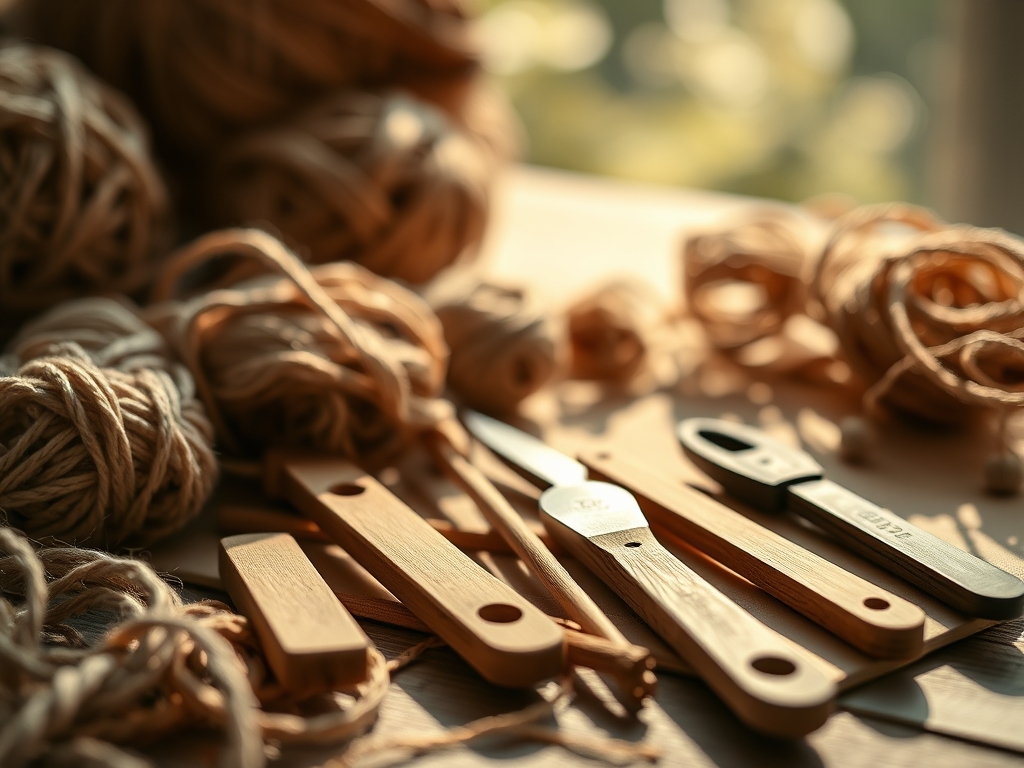
To master the art of Personalized Garden Markers, you need a kit that respects material science. For metalwork, grab a set of hardened steel stamps and a 16-ounce brass mallet; the brass is softer than the steel stamps, ensuring the kinetic energy transfers into the workpiece without deforming your tools. You will also need digital calipers for precise spacing and a ball-peen hammer for texturing. If you prefer timber, reach for rotary tools with carbide burrs and a high-grade outdoor sealant with a high solids content to block moisture ingress.
For the ceramic route, a needle tool and a rib for burnishing are essential. Material Substitutions are your best friend in a pinch. If you cannot find copper flashing, recycled aluminum flashing from a hardware store offers excellent corrosion resistance at a lower density. Instead of professional slate, look for reclaimed roofing tiles which possess a natural cleavage plane that makes them easy to split into uniform strips using a cold chisel.
THE TEMPO
The Maker's Rhythm is all about managing the "open time" of your materials. For a set of six markers, expect a total active labor time of three to four hours, though the "passive time" for curing can stretch to forty-eight hours. The first hour is the Layout Phase, where you calculate the kerning of your letters and the structural balance of the stake. The second phase is the Subtractive Work, such as engraving or stamping, which requires high focus and a steady hand to maintain consistent depth. Finally, the Protective Phase involves the application of polymers or oils. Do not rush the drying cycles. High humidity can interfere with the cross-linking of chemical bonds in your sealants, leading to a cloudy finish instead of a crystal-clear protective barrier.
THE CORE METHOD
1. The Stamped Copper Lath
Copper is prized for its antimicrobial properties and its ability to develop a protective patina over time. Use your calipers to mark a centerline on a 16-gauge copper strip. Secure the strip to a steel bench block using painter's tape to prevent shifting. Align your steel stamps and strike each once with a firm, vertical blow. Mastery Tip: This process relies on work hardening. As you strike the metal, the molecular structure becomes more compact and rigid, which is why a single, confident strike is superior to multiple light taps that can cause "ghosting" or double images.
2. The Incised Slate Monolith
Slate is a metamorphic rock with distinct foliation layers. Use a diamond-tipped bit on an oscillating tool to etch your text into the surface. The friction will generate heat, so a drop of water on the surface acts as a lubricant and coolant. Mastery Tip: Understanding brittle fracture is key here. Slate has high compressive strength but low impact toughness; always support the entire backside of the slate on a flat, vibration-dampening surface like a rubber mat to prevent the stone from snapping under the pressure of the tool.
3. The Pyrography Cedar Plank
Cedar contains natural oils that resist rot, making it the gold standard for wooden Personalized Garden Markers. Use a pyrography pen to burn the names into the wood grain. Mastery Tip: Pay attention to capillary action. When you apply a finish later, the charred channels will pull in more sealant than the surrounding wood, effectively "locking" the carbonized design behind a waterproof wall of resin.
4. The Embossed Aluminum Tape
For a quick but durable solution, heavy-duty aluminum tape can be embossed using a simple bone folder or a spent ballpoint pen. Wrap the tape around a sturdy core like a galvanized wire frame. Mastery Tip: This utilizes plastic deformation, where the material is stressed beyond its elastic limit to take a permanent new shape. The low yield strength of aluminum makes it incredibly responsive to fine detail work.
5. The Vitrified Ceramic Tab
Kiln-fired clay is essentially man-made stone. Roll out a slab of stoneware clay to a uniform 1/4-inch thickness using a rolling pin with guide rings. Cut your shapes and stamp the letters while the clay is "leather hard." Mastery Tip: Focus on shrinkage rates. Ceramic bodies lose roughly 10 to 15 percent of their volume as water evaporates and the particles fuse during firing; always scale your initial design larger than the desired final dimensions.
6. The Resin-Encapsulated Botanical
Create a transparent marker by casting UV-resistant epoxy resin in a silicone mold. You can embed dried flowers or printed labels inside. Mastery Tip: To prevent bubbles, use a heat gun to lower the viscosity of the resin, allowing trapped air to rise to the surface and pop. This ensures a high-clarity finish that won't yellow or crack when exposed to the sun's ultraviolet radiation.
THE TECHNICAL LEDGER
Maintenance & Longevity: To keep your markers legible for a decade, inspect them every spring. Metal markers may need a fresh coat of carnauba wax to slow oxidation. Wooden markers require a light sanding and a fresh wipe of tung oil to replenish the wood's natural defenses.
Material Variations: For a premium feel, use 316-grade stainless steel, which is marine-grade and virtually indestructible. For a sustainable approach, upcycle wine bottles by using a glass cutter to create smooth, frosted segments that can be etched with a sandblaster.
The Correction:
- Mistake: The stamp is upside down. Fix: Flip the metal over and use the back; the cold-working process means you can often "erase" light mistakes by hammering the metal flat again on a polished anvil.
- Mistake: Wood grain is splitting during engraving. Fix: Switch to a higher RPM on your rotary tool and use a smaller burr to reduce the lateral force on the wood fibers.
- Mistake: Resin is sticky after curing. Fix: This is usually an improper mixing ratio. Wipe with isopropyl alcohol and apply a thin "flood coat" of correctly mixed resin to seal the tacky layer.
Studio Organization: Store your metal stamps in an oiled cloth to prevent rust. Keep your wood stock in a horizontal rack to prevent warping, and ensure your resins are stored in a cool, dark place to prevent premature polymerization.
THE FINAL REVEAL
Behold the transformation! What began as a pile of raw, industrial materials has become a sophisticated suite of Personalized Garden Markers. There is an immense sense of pride in seeing the sharp, clean lines of your engraving catching the morning light. These pieces feel substantial in the hand; they have the "heft" of quality. As you stake them into the soil, you aren't just organizing a garden; you are installing a gallery of your own technical prowess. The contrast between the organic, sprawling vines and the rigid, geometric precision of your markers creates a stunning visual harmony that any plant lover would cherish.
STUDIO QUESTIONS
Which material lasts the longest outdoors?
Stainless steel and vitrified ceramics offer the highest longevity. These materials resist UV damage, moisture absorption, and oxidation, ensuring your Personalized Garden Markers remain legible for decades without significant structural degradation or surface erosion in harsh environments.
How do I prevent wooden markers from rotting?
Select rot-resistant species like cedar or redwood. Treat the finished wood with a high-solids UV-resistant sealant or a deep-penetrating oil. Ensure the portion of the stake buried in the soil is double-coated to prevent moisture wicking through the end grain.
Can I make these without expensive power tools?
Absolutely. Hand-stamping metal or using a manual glass cutter requires only basic kinetic force. While power tools like rotary cutters increase speed, manual tools often provide greater control over the tactile feedback of the material, allowing for highly detailed, artisanal results.
What is the best way to label dark stone?
Use a white grease pencil for layout, then etch deeply with a carbide scriber. For maximum contrast, fill the engraved channels with an outdoor-grade acrylic enamel paint. Wipe the surface clean before the paint dries to leave color only in the grooves.