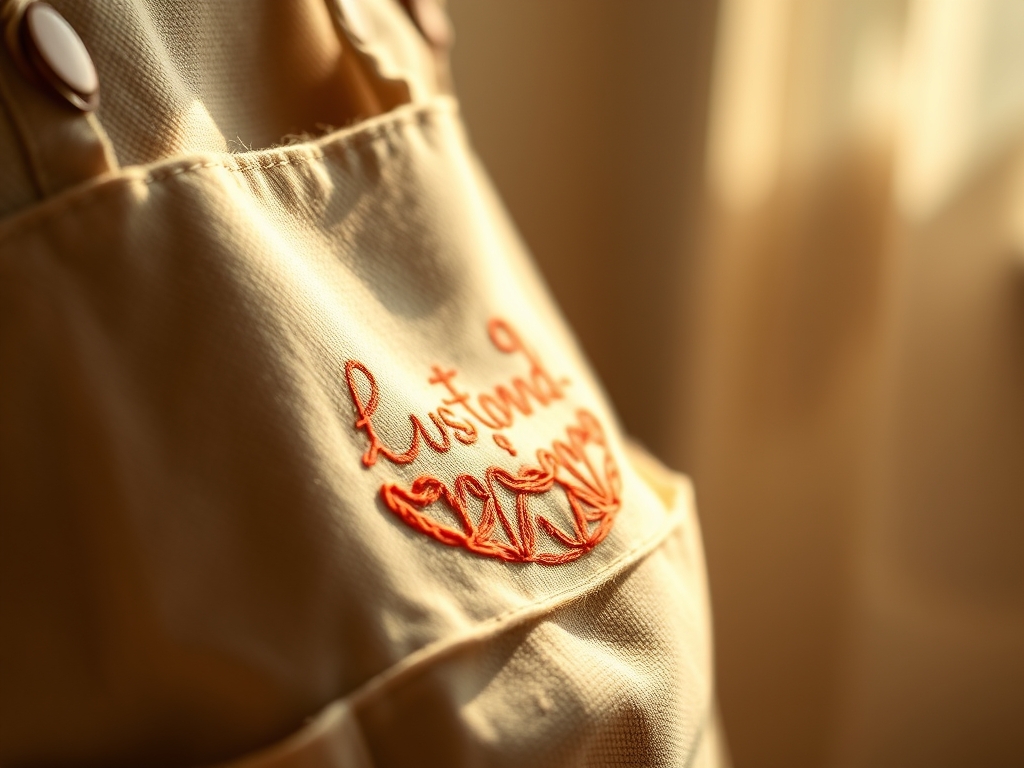
The scent of raw bull denim hitting the work table is better than your morning espresso. It is that heavy, starch-scented promise of a project that can withstand a lifetime of splatters and heat. When we talk about Custom Embroidered Aprons, we are not just talking about a piece of fabric; we are discussing a wearable tool chest designed to manage the physics of the kitchen. You can feel the tactile resistance of the twelve ounce cotton duck as your fingers trace the grain. It has a high tensile strength that refuses to sag even when the pockets are loaded with heavy shears or a cast iron lid. We are building something structural here. We are engineering a garment that balances the load across the trapezius muscles while protecting the torso from thermal transfer. This is where high fashion meets the hard science of the culinary arts. We are going to map out nine clever pocket configurations that turn a standard bib into a high performance workstation. Grab your measuring tape; we are about to turn fiber into function.
THE STUDIO KIT
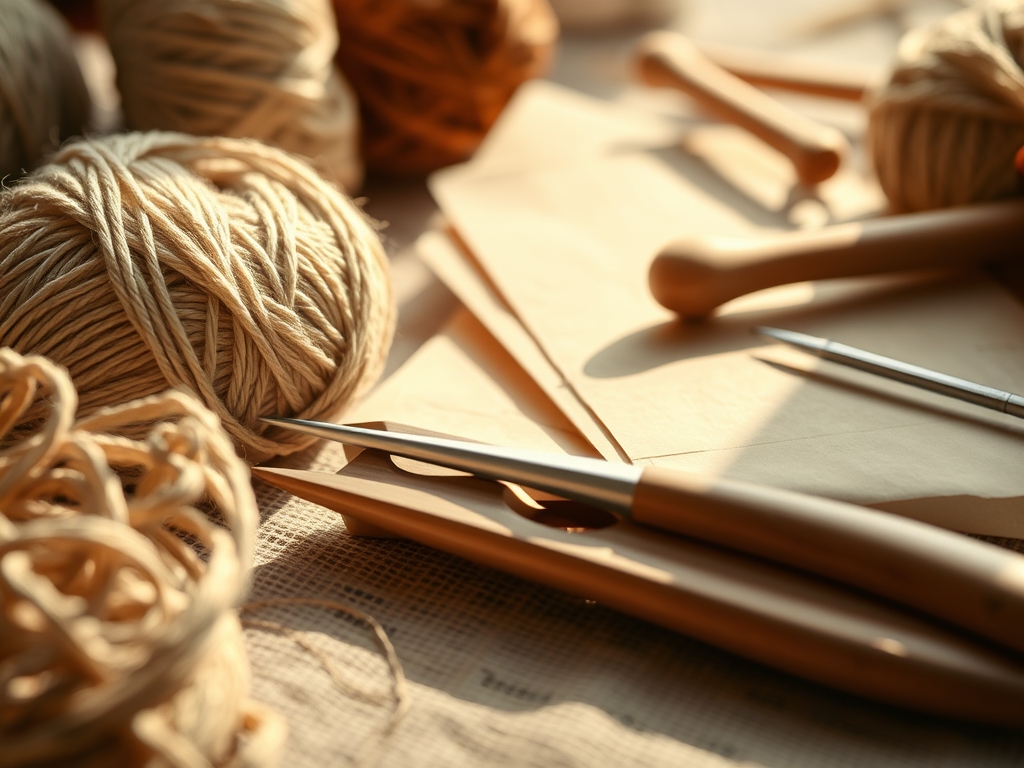
To execute these pockets with precision, you need a kit that respects the density of the textile. Start with a high carbon steel rotary cutter to ensure clean, fray-free edges on your pocket blanks. You will need a bone folder to crisp your seam allowances; this tool uses friction to compress the cellulose fibers, creating a permanent crease without scorching the fabric. For the embroidery phase, select a 40-weight trilobal polyester thread. Unlike rayon, polyester has superior chemical resistance to bleach and high heat, which is vital for kitchen wear. You should also have a metal gauge to ensure pocket symmetry and a tailor's awl for piercing heavy intersections without snapping the needle.
Material Substitutions: If you cannot source heavy denim, look for waxed canvas. It offers incredible water resistance due to the surface tension created by the wax coating. For a lighter, more breathable option, a heavyweight linen works beautifully, though you must account for its lower dimensional stability by using a fusible stabilizer on the embroidery zones to prevent puckering during the stitching process.
THE TEMPO
The Maker's Rhythm is all about respecting the "cure time" of each stage. Do not rush the layout. Expect to spend sixty minutes on the architectural drafting phase, where you calculate the load bearing points of each pocket. The embroidery itself, depending on the stitch density and your machine's speed, usually takes forty five minutes per panel. The final assembly is a rhythmic flow of about two hours. Total project time sits around four hours of active "flow state" work. Remember that the rhythm of the sewing machine should be steady; inconsistent speeds can lead to "thread nesting" on the underside of the bobbin case, ruining the structural integrity of your Custom Embroidered Aprons.
THE CORE METHOD
1. The Slanted Thermometer Slot
The first pocket is a narrow, reinforced vertical sleeve designed specifically for a digital probe. Position this on the upper bib at a forty five degree angle. This utilizes the ergonomic reach of the cook, allowing for a quick draw without looking down.
Mastery Tip: Always backstitch the entry point three times. This distributes the mechanical stress across a wider surface area of the weave, preventing the pocket from ripping away from the bib during repetitive use.
2. The Expandable Pleated Cargo
For the cook who carries a bulky phone or a notebook, a flat pocket will not suffice. We use an inverted box pleat to create volume. This allows the pocket to expand outward rather than pulling the apron tight against the body.
Mastery Tip: Use a tailor's ham when pressing the pleats. The curved surface mimics the human form, ensuring the pocket volume does not distort the "hang" of the apron when it is under a heavy load.
3. The Hidden Microfiber Wipe
Sew a small, concealed pocket on the underside of the hem. This holds a microfiber cloth for cleaning eyeglass lenses or camera screens. It stays dry because it is shielded by the hydrophobic properties of the outer apron layer.
Mastery Tip: Attach the cloth with a small plastic snap. This creates a modular system where the cloth can be removed for laundering without stripping the entire apron down.
4. The Reinforced Tool Loop
While technically not a pocket, a heavy duty webbing loop is essential for tongs. Place this on the hip line where the center of gravity is lowest.
Mastery Tip: Align the loop with the warp threads of the main fabric. The warp threads are the strongest fibers in a weave, providing the necessary vertical support to prevent sagging.
5. The Divided Spice Pocket
This is a long, horizontal pocket divided into three sections using topstitching. It is perfect for holding small tasting spoons or garnish tweezers.
Mastery Tip: Use a walking foot on your sewing machine. This ensures that the top and bottom layers of fabric move at the same rate, preventing "creeping" which causes the pocket to look skewed.
6. The Kangaroo Hand Warmer
For the outdoor griller, a large pass through pocket in the center is a lifesaver. Line this with a brushed flannel to trap thermal energy.
Mastery Tip: Cut the lining on the bias. A bias cut allows for maximum stretch and flexibility, accommodating the movement of the hands without putting tension on the embroidery.
7. The Magnetic Bit Holder
Hide a small, powerful neodymium magnet inside a tiny interior pocket. This is perfect for holding a metal bottle opener or small metal measuring spoons.
Mastery Tip: Ensure the magnet is encased in a non-porous lining like vinyl. This prevents the magnet from oxidizing and staining the cotton fabric over time.
8. The Pencil and Sharpie Trio
Every chef needs a writing utensil. Create three narrow channels on the shoulder strap or the bib edge.
Mastery Tip: Use a size 16 denim needle. The sharp, reinforced point is designed to punch through multiple layers of heavy ply fabric without deflecting, ensuring perfectly straight channels.
9. The Secure Key Clip
Integrate a small pocket with a zippered closure near the waistband. This keeps personal items safe from the "capillary action" of liquid spills that might soak through standard open pockets.
Mastery Tip: Choose a nylon coil zipper over metal. Nylon is more flexible and less likely to conduct heat if the cook gets too close to the range or oven door.
THE TECHNICAL LEDGER
To maintain the longevity of your Custom Embroidered Aprons, always wash in cold water. High heat can cause the embroidery thread to shrink at a different rate than the cotton base, leading to embroidery distortion. Air drying is preferred to preserve the fiber density.
Material Variations: For a premium feel, use selvedge denim. The finished edge of the fabric prevents unraveling and adds a professional aesthetic. For sustainability, look for recycled PET felt for pocket linings, which provides a cushioned barrier for delicate tools.
The Correction:
- Puckering: If the fabric bunches around the embroidery, your tension is too high. Decrease the upper thread tension.
- Skipped Stitches: This usually means your needle is dull. Replace it every eight hours of active sewing.
- Thread Breakage: Check for burrs on your throat plate. A tiny scratch can shred the thread as it passes through.
Studio Organization: Store your completed aprons on wide, padded hangers. Folding heavy denim for long periods can cause fiber fatigue along the crease lines, eventually leading to permanent discoloration or cracking in the weave.
THE FINAL REVEAL
Look at that silhouette! Your Custom Embroidered Aprons are no longer just kitchen wear; they are pieces of high performance gear. The way the light catches the trilobal polyester thread against the matte finish of the denim is pure magic. You have successfully navigated the physics of tension, grain, and load bearing to create a masterpiece. It feels substantial, it looks professional, and it is ready to handle the heat of any kitchen. You are not just a crafter; you are a textile engineer.
STUDIO QUESTIONS
What is the best thread for apron embroidery?
Use 40-weight trilobal polyester. It offers high tensile strength and resists fading from bleach or high temperature laundering, which is essential for the heavy duty environment of a kitchen.
How do I prevent the pockets from sagging?
Align the pocket grain with the vertical warp threads of the apron body. Additionally, use a "triangle" or "bar tack" stitch at the top corners to distribute the weight.
Can I embroider over a pocket?
It is best to embroider the pocket before sewing it onto the apron. This prevents you from stitching the pocket closed and allows for easier hooping on the embroidery machine.
What needle size is best for heavy denim?
A size 100/16 or 110/18 denim needle is required. These needles have a reinforced shaft and a sharp point designed to penetrate dense, multi-layered fabrics without bending or breaking.
How do I stop the fabric from fraying?
Use a serger or a zigzag stitch on all raw edges before assembly. For a cleaner finish, use a "flat felled seam" which encases the raw edges entirely within the stitch.