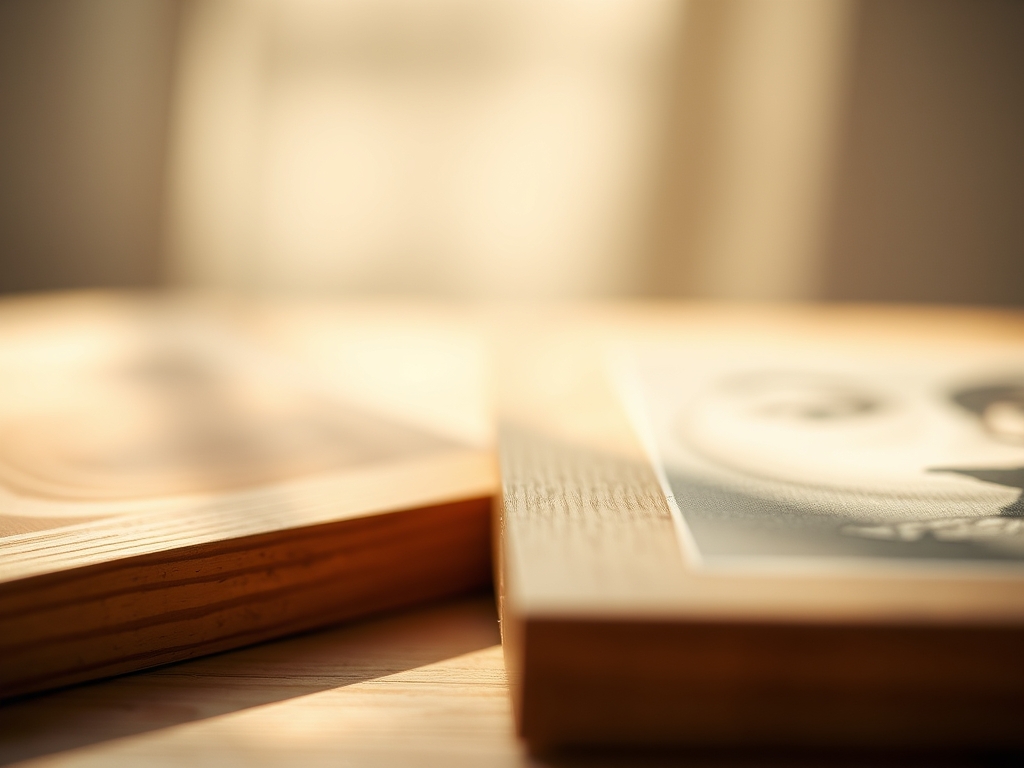
Imagine the scent of fresh pine shavings mingling with the sharp, clean bite of isopropyl alcohol. It is a sensory collision that signals the start of a serious studio session. You are not just making decor; you are engineering a memory. When you hold a raw timber cube, you feel the lignin and cellulose fibers waiting to be transformed into Custom Wood Photo Blocks. The weight is satisfying; the surface is thirsty. We are going to manipulate the porosity of that wood to lock in an image so tightly it looks like it grew there. Whether you are using reclaimed barn wood with its weathered, high-friction surface or a buttery smooth piece of maple, the physics of the bond is what matters. We are diving into the world of capillary action and molecular adhesion to ensure your shelf looks like a curated gallery. Grab your safety glasses and your favorite playlist. We are about to turn static lumber into a high-definition tactile experience that will outlast any digital screen.
THE STUDIO KIT
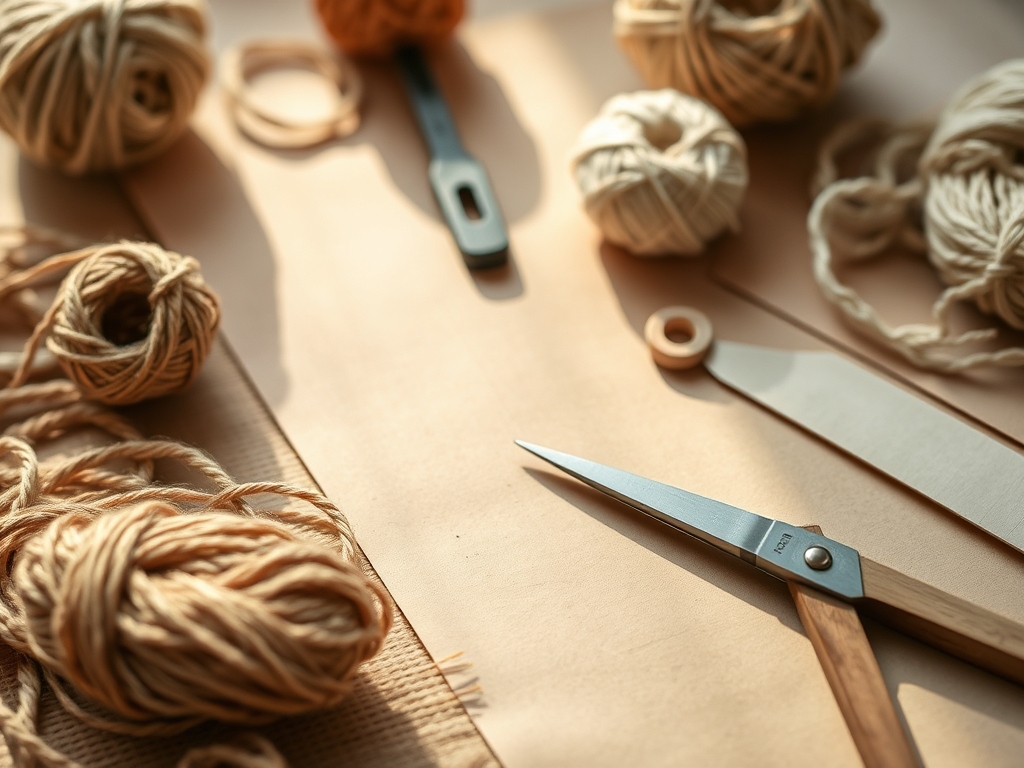
To master Custom Wood Photo Blocks, you need more than just glue. You need a kit that respects the tensile strength of your materials. Start with your substrate: 4×4 or 2×2 wood blocks. For the sharpest image transfer, choose a tight-grained hardwood like birch or maple. If you want a rugged, rustic aesthetic, cedar offers a beautiful tannin profile but requires more sanding. You will need a high-quality acrylic gel medium or a specialized photo transfer liquid. For the application, reach for a silicone brayer or a bone folder to ensure zero air pockets. You will also need a digital caliper to measure your image margins precisely, an awl for distressing the edges, and a rotary cutter for clean, 90-degree paper slices.
Material Substitutions: If you cannot find kiln-dried blocks, you can use multi-ply birch plywood scraps stacked and glued for a striped edge effect. No gel medium? A high-solids polyurethane can work, though the drying time increases significantly due to the lower evaporation rate of the solvents. For a vegan-friendly alternative to traditional glues, look for starch-based adhesives, though they offer less moisture resistance in humid environments.
THE TEMPO
The "Maker's Rhythm" is all about respecting the cure time. You cannot rush chemistry. The first phase is the Prep Pulse (30 minutes), where you sand the wood to a 220-grit finish to open the pores. Next is the Application Flow (15 minutes), a high-focus window where you apply the medium before it skins over. Then comes the Static Phase (8 to 12 hours). This is where the image actually migrates into the wood fibers. Finally, the Reveal Beat (20 minutes) involves the wet-removal of the paper backing. Total active time is low, but the total project duration requires patience to ensure the structural integrity of the ink-to-wood bond.
THE CORE METHOD
1. Surface Calibration
Use your orbital sander or a sanding block to smooth the face of the wood. You are looking for a surface that is level to within a fraction of a millimeter. Wipe away all frass and dust with a tack cloth.
Mastery Tip: Wood is hygroscopic, meaning it absorbs moisture from the air. Sanding right before application ensures the surface cells are open and haven't "swelled" shut from ambient humidity.
2. Image Sizing and Mirrored Printing
Measure your block with calipers. Print your photo on a laser printer (toner is essential, inkjet will bleed) and ensure you mirror the image. If there is text, it must be backwards on the paper to be forwards on the wood.
Mastery Tip: Toner is essentially plastic resin. When we apply heat or chemicals, we are performing a thermal transfer or a solvent-based migration of that resin into the wood's tracheids.
3. The Medium Coating
Apply an even layer of gel medium to the wood. You want enough to create a continuous film but not so much that it creates a hydroplaning effect where the paper slides around uncontrollably.
Mastery Tip: This layer acts as a bridge polymer. It must be thick enough to fill the microscopic valleys in the wood grain to ensure 100 percent contact with the toner.
4. The Press and Burnish
Lay the photo face down. Use your bone folder or a heavy credit card to scrape from the center outward. This removes trapped air and excess medium.
Mastery Tip: This step relies on mechanical pressure to overcome the surface tension of the gel, forcing the ink into the wood's cellular structure.
5. The Cure
Place the block in a cool, dry place. Do not use a hair dryer; forced heat can cause the wood to warp or the medium to bubble, ruining the lamination.
Mastery Tip: A slow cure allows the moisture in the gel to evaporate evenly, preventing delamination caused by rapid internal vapor pressure.
6. The Hydration Reveal
After 12 hours, mist the paper with water. Let it sit for two minutes until the paper becomes translucent. Gently rub the paper fibers away with your thumb in a circular motion.
Mastery Tip: This utilizes differential solubility. The water breaks down the paper's hydrogen bonds while the acrylic-bound ink remains insoluble and fixed to the wood.
7. Edge Distressing
Take your awl or a rough 80-grit sandpaper and lightly strike the corners of the block. This removes the "perfect" edge and gives it that heritage, rustic look.
Mastery Tip: Distressing the edges creates visual weight and prevents the image from peeling at the high-stress corner points.
8. The Protective Seal
Apply a thin coat of matte varnish or beeswax. This protects the image from UV degradation and skin oils.
Mastery Tip: A sealant provides a hydrophobic barrier, preventing the wood from expanding and contracting with seasonal humidity changes, which can crack the image.
9. Final Buffing
Use a lint-free cloth to buff the block to a soft sheen. This enhances the refractive index of the finish, making the colors pop against the natural wood grain.
Mastery Tip: Buffing creates a microscopic planar surface, allowing light to reflect more uniformly rather than scattering off a rough finish.
THE TECHNICAL LEDGER
Maintenance & Longevity: Custom Wood Photo Blocks are durable but sensitive to UV. Keep them out of direct sunlight to prevent photodegradation of the toner. Dust with a dry microfiber cloth; never use chemical sprays which can dissolve the acrylic bond.
Material Variations:
- Sustainable: Use reclaimed pallet wood (heat-treated only, avoid "MB" marked wood which contains methyl bromide).
- Premium: Use black walnut for a dark, moody base that makes highlights glow.
- Recycled: Upcycle old children's building blocks for a nostalgic, small-scale gallery.
The Correction:
- The Ghosting Effect: If the image is too light, you didn't use enough pressure during burnishing. Fix: Use a heavier hand or a clamping jig next time.
- The Peeling Edge: If the image lifts, the wood was too oily. Fix: Wipe the wood with acetone before applying the medium to remove natural resins.
- The Paper Haze: If a white film remains after drying, you didn't remove all the paper pulp. Fix: Dampen slightly and rub again, then apply a coat of oil to turn the remaining fibers transparent.
Studio Organization: Store your unfinished blocks in a humidity-controlled bin. Organize your papers by gsm (grams per square meter) to ensure you always know how much water is needed for the reveal phase.
THE FINAL REVEAL
Look at that! You have successfully navigated the intersection of organic chemistry and rustic art. Your Custom Wood Photo Blocks are not just pictures; they are three-dimensional artifacts. The way the grain peeks through the highlights of the photo adds a depth that paper simply cannot replicate. These blocks feel substantial in the hand, possessing a tactile soul that makes them the perfect centerpiece for any shelf. You have mastered the art of the transfer, and honestly, your studio has never smelled better. Go ahead, stack them, stagger them, and let everyone admire your handiwork.
STUDIO QUESTIONS
Can I use regular printer paper?
Yes, but standard 20lb bond paper is ideal. It is thin enough for the water to penetrate quickly during the reveal phase but has enough tensile strength to stay intact during the initial burnishing.
Why did my image come out blurry?
Blurring usually occurs due to lateral movement during the burnishing phase. If the paper shifts even a millimeter while the medium is wet, the toner smears. Use a low-tack tape to secure the edges.
Can I do this on painted wood?
You can, but the paint must be a flat or matte finish. Glossy paints have a low surface energy, which prevents the gel medium from gripping the surface, leading to total image failure.
How do I get a darker image?
Increase the toner density in your printer settings. Choosing a "High Quality" or "Heavy Paper" setting often forces the laser printer to lay down a thicker layer of resin for a more vibrant transfer.
Is there a way to speed up the drying?
While not recommended for beginners, using a dehumidifier in your workspace can lower the ambient vapor pressure, safely accelerating the evaporation of the water in the gel medium without causing thermal stress to the wood.