The cool, vitreous surface of a ceramic blank feels like a silent promise under your fingertips. When you decide to create Hand Painted Recipe Tiles, you are not just decorating a kitchen; you are engaging in a high stakes chemical marriage between mineral pigments and kiln fired silica. There is a specific, tactile thrill in holding a heavy bisque tile, feeling its porous texture thirsting for moisture. As you prepare your workspace, the air smells of damp earth and turpentine. We are going to transform these blank slates into an heirloom backsplash that captures the soul of your family kitchen. This project requires more than just an artistic eye; it demands an understanding of surface tension and the way fluid dynamics govern how glaze sits on a vertical plane. We are diving deep into the physics of the brushstroke, ensuring that every measurement is precise and every pigment load is perfectly calculated for maximum longevity. Grab your apron and clear the bench; we are about to turn your favorite flavors into permanent, glazed history.
THE STUDIO KIT
THE STUDIO KIT
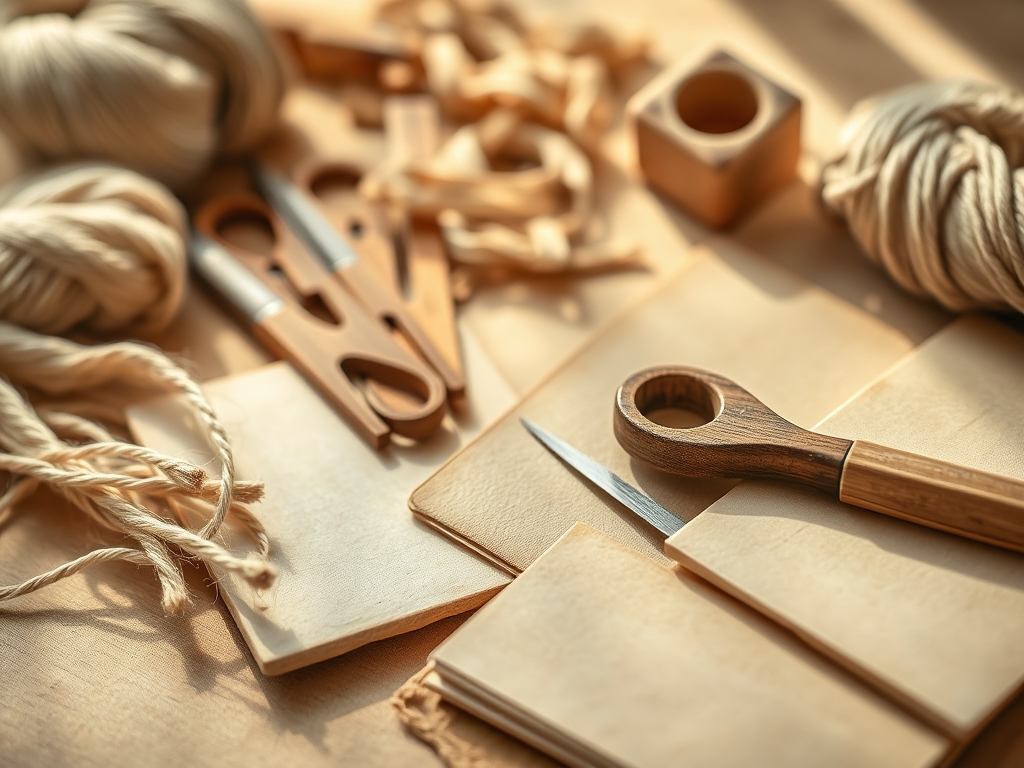
To execute this project with professional precision, you need a kit that respects the structural integrity of the ceramic medium. Your primary canvas consists of 6×6 inch white bisque tiles, which have been fired once but remain receptive to underglazes. You will need a set of liner brushes with high synthetic fiber density to maintain a sharp point under the pressure of a heavy pigment load. A caliper is essential for ensuring your motifs are perfectly centered, while a stylus or a fine-tipped awl will allow you to scratch fine details into the surface through the sgraffito technique.
For the pigments, use high fire underglazes because they possess a higher viscosity than standard watercolors, preventing the "run" that ruins intricate text. You also need a high quality clear gloss glaze to seal the work. Material Substitutions: If you cannot access a kiln, you may use specialized bake-on porcelain paints, though the tensile strength of the finish will be lower than a true glass-phase glaze. For a rustic look, swap the white bisque for terracotta tiles, but keep in mind that the darker substrate will affect the chromatic value of your paints.
THE TEMPO
The "Maker's Rhythm" for Hand Painted Recipe Tiles is a slow, deliberate dance with evaporation. You cannot rush the chemistry of ceramics. Expect to spend approximately two hours on the initial layout and sketching phase for a set of eight motifs. The actual painting process requires about forty-five minutes per tile to ensure the capillary action of the brush does not oversaturate the clay body.
Once painted, the tiles must air dry for at least twenty-four hours to ensure all chemical water has escaped the interstitial spaces of the clay. The kiln firing cycle adds another forty-eight hours, including the ramp-up and the necessary slow cooling period to prevent thermal shock. If you are using bake-on alternatives, your cure time is reduced to ninety minutes, but you sacrifice the deep, crystalline depth of a professional ceramic finish.
THE CORE METHOD
1. Surface Preparation and Mapping
Before a single drop of paint touches the tile, you must remove all dust and oils. Use a damp sponge to wipe the surface, which opens the pores of the bisque. Use your caliper to mark the center point and the margins. Mapping out your recipe text with a graphite pencil is safe because the carbon will burn off entirely in the kiln, leaving only your glaze behind.
Mastery Tip: The physics of adhesion dictates that any oil from your skin can create a resist spot where the paint will bead up. Always wash your hands with degreasing soap before handling your blanks.
2. The Underglaze Application
Load your liner brush with underglaze, ensuring the belly of the brush is full but the tip remains sharp. When painting your vintage motifs, such as a sprig of rosemary or a classic whisk, maintain a consistent angle of incidence with your wrist. This ensures a uniform thickness of the pigment layer, which prevents the color from looking streaky after firing.
Mastery Tip: This stage relies on fluid dynamics. If your paint is too thick, it will crack during the drying phase; if it is too thin, the silica in the clear coat will "eat" the color during the firing process. Aim for the consistency of heavy cream.
3. Sgraffito Detailing
Once the underglaze is "leather dry" to the touch, use your awl or a fine stylus to etch fine lines through the paint to reveal the white tile beneath. This is how you achieve the intricate "vintage engraving" look for your recipe titles. The tool must be held at a 45 degree angle to prevent chipping the fragile dry glaze.
Mastery Tip: This technique utilizes the brittleness of the dried pigment. By removing small amounts of material, you create a high contrast border that remains crisp even when the top glaze melts and flows over it.
4. The Glaze Dip and Fire
After the underglaze is completely dry, apply two thin coats of clear gloss glaze. If you are dipping the tiles, ensure the immersion time is no longer than three seconds. This prevents the bisque from absorbing too much water, which could lead to "shivering" or the glaze peeling off in the kiln.
Mastery Tip: The coefficient of thermal expansion must be matched between the tile and the glaze. If they expand at different rates in the kiln, you will end up with "crazing," which are tiny cracks that can harbor bacteria in a kitchen environment.
THE TECHNICAL LEDGER
Maintenance & Longevity
Once installed as a backsplash, these tiles are practically immortal. The glass surface is non-porous and resistant to acidic food splatters. Clean them with a simple pH-neutral soap; avoid abrasive steel wool which can, over decades, micro-scratch the refractive index of the gloss.
Material Variations
For a sustainable approach, source "reclaimed" bisque tiles from architectural salvage yards. If you want a premium finish, use cobalt oxide for a classic Delft Blue aesthetic. Cobalt has an incredibly high opacity and creates a deep, royal hue that is chemically bonded to the silica.
The Correction: 3 Common Fixes
- The Smudge: If you smear the underglaze while wet, do not wipe it. Let it dry completely and use a fine grit sandpaper to lightly sand the mistake away.
- Pinholing: If tiny bubbles appear in your glaze, it means the tile was too dusty. You must re-fire the tile to a slightly higher temperature to allow the glaze to "heal" and flow into the holes.
- Fading Color: If your reds or yellows vanish, the kiln was too hot. These pigments have low thermal stability. Use "encapsulated" stains for future projects to withstand higher heat.
Studio Organization
Store your unfinished tiles in a vertical "toast rack" style organizer to prevent the surfaces from rubbing against each other. Keep your brushes tip-up in a dry environment to maintain the tensile strength of the bristles.
THE FINAL REVEAL
Behold the transformation! What began as a stack of dusty, industrial blanks has become a shimmering, narrative installation. The vintage motifs look as if they have been plucked from a 19th century botanical journal, yet they possess the crisp, clean finish of modern craftsmanship. When the light hits the backsplash, the specular reflection of the glaze adds a sense of depth to the room. You have successfully captured the ephemeral beauty of a handwritten recipe and locked it into a stone-like state that will outlast the very kitchen it inhabits. It is a triumph of art and engineering.
STUDIO QUESTIONS
What is the best brush for fine lettering?
A script liner with a high reservoir capacity is best. It allows for long, continuous strokes without losing pigment flow, which is essential for maintaining the consistency of the script across the tile surface.
Can I use regular acrylic paint?
No, acrylics lack the thermal resistance required for a kitchen backsplash. They will peel when exposed to stove heat. You must use kiln fired glazes or specialized heat-set porcelain enamels for a permanent, food safe bond.
Why did my tile crack in the kiln?
This is usually due to thermal shock or "dunting." If the kiln cools too rapidly, the internal stresses exceed the tensile strength of the ceramic, causing a structural failure. Always follow a slow cooling schedule.
How do I ensure the tiles are waterproof?
Ensure the clear glaze coat is "vitrified," meaning it has turned into a non-porous glass. This happens at specific temperatures where the silica melts and fuses, creating a barrier with zero permeability to water or oils.