Grab your heavy duty apron and clear the workbench because we are about to dive into the tactile world of archival preservation. There is a specific, grounding magic in the weight of hand bound photo albums; it is the physical sensation of history being anchored by thread and glue. When you run your thumb along the spine, you are feeling the structural integrity of a spine that was built to outlast digital clouds. We are moving beyond basic glue sticks and flimsy cardstock. Today, we are focusing on the physics of paper grain and the tensile strength of linen cord. You can smell the faint, earthy scent of wheat starch paste and the crisp, ozone bite of freshly sliced greyboard. This is not just a craft project; it is a high stakes engineering feat disguised as a beautiful keepsake. We are going to manipulate fiber density and leverage mechanical pressure to create something that feels expensive, permanent, and utterly professional. Get ready to feel the burnish of the bone folder against your palm as we transform raw materials into a masterpiece of personal curation.
THE STUDIO KIT
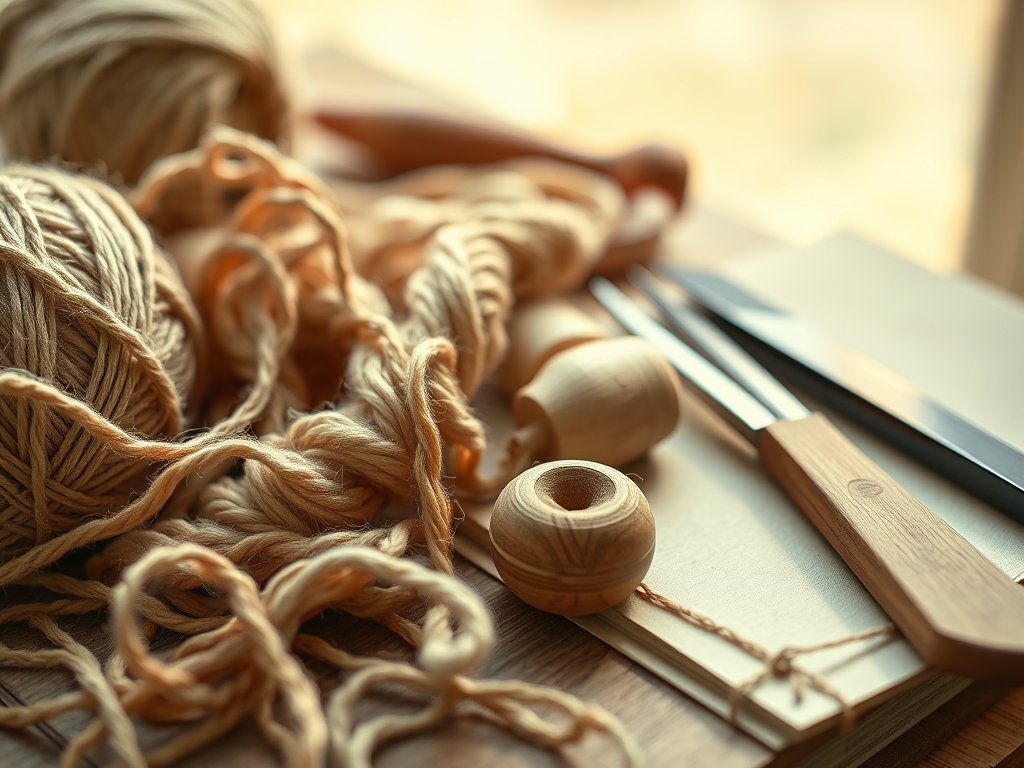
To execute these vintage techniques, your toolkit must prioritize precision over aesthetics. You will need a tapered steel awl for piercing clean, uniform holes through multiple plies of paper. A genuine bone folder, carved from real cattle bone, is non negotiable because plastic alternatives lack the density to properly compress paper fibers without leaving unsightly shiny marks. For the adhesive, we utilize pH neutral PVA glue or a traditional wheat starch paste to ensure the chemical stability of your photos over decades. Your paper selection should be acid free and lignin free, ideally with a weight of 200 GSM or higher to prevent warping when you introduce moisture.
Material Substitutions: If you cannot source traditional bookbinding linen, a high quality heavyweight denim or a tightly woven canvas works beautifully, provided you back it with tissue paper using a heat activated adhesive to prevent the glue from seeping through the weave. Instead of specialized bookboard, you can laminate three layers of 100 point chipboard to achieve the necessary rigidity. For the thread, if waxed linen is unavailable, use a heavy duty upholstery thread and pull it through a block of pure beeswax to increase its grip and water resistance.
THE TEMPO
The maker's rhythm is dictated by the drying times of the adhesives and the relaxation of the paper fibers. You cannot rush a masterpiece. Expect to spend approximately two hours on the preparation phase, which includes measuring, cutting, and grain direction testing. The actual sewing and assembly of the signatures will take another three hours of focused, repetitive motion. However, the most critical phase is the "curing" period. Once the album is bound, it must sit under a heavy book press or a stack of uniform weights for at least twenty four hours. This allows the moisture to evaporate evenly, preventing the boards from bowing and ensuring the spine remains perfectly perpendicular to the covers. Respect the clock; the physics of evaporation are not up for debate.
THE CORE METHOD
1. Determining Grain Direction
Before you make a single cut, you must identify the grain direction of your paper and board. Hold the sheet and gently flex it in both directions; the axis with the least resistance is the grain direction. For hand bound photo albums, the grain must always run parallel to the spine.
Mastery Tip: This is due to hygroscopy. Paper fibers expand more in width than in length when they absorb moisture from the air or glue. If the grain runs perpendicular to the spine, the pages will wave and the spine will buckle as the fibers fight against the binding.
2. The French Link Stitch
This vintage technique involves sewing the signatures together in a series of interlocking loops. Use your awl to punch holes at precise intervals, then guide your needle in a figure eight pattern across the spine. This creates a flexible yet incredibly strong skeleton for your album.
Mastery Tip: This method relies on tensile distribution. By linking the stitches, you distribute the stress of opening the book across the entire height of the spine rather than at individual puncture points, preventing the thread from tearing through the paper.
3. Creating the Hollow Back Spine
A hollow back allows the spine of the cover to arch away from the spine of the pages when the book is opened. You will create a "tube" of stiff paper that is glued to the signatures on one side and the outer leather or cloth on the other.
Mastery Tip: This is an application of mechanical clearance. By decoupling the decorative spine from the structural signatures, you eliminate the friction that causes traditional bindings to crack and peel over time.
4. Setting the Endpapers
The endpapers are the bridge between the heavy cover boards and the delicate interior pages. Apply a thin, even layer of PVA glue to the outer leaf of your first and last signatures, then carefully align them with the inside of the boards.
Mastery Tip: Use a bone folder to burnish the paper into the hinge. This creates a high pressure bond that utilizes capillary action, drawing the adhesive deep into the porous surface of the board for a permanent, structural weld.
5. Corner Mitering and Turning In
When wrapping your cover material, you must cut the corners at a 45 degree angle, leaving exactly two board thicknesses of space from the point. Fold the edges over and use your bone folder to tuck the "ears" in tightly before sealing.
Mastery Tip: This technique manages bulk displacement. By precisely calculating the thickness of the board, you ensure the corner is fully protected without creating a lump of excess material that would prevent the album from sitting flush on a shelf.
THE TECHNICAL LEDGER
Maintenance & Longevity: Store your completed album vertically in a temperature controlled environment. Avoid direct sunlight, as UV rays break down the molecular bonds in both the ink of your photos and the lignin in the paper. Once a year, open the album and flip through the pages to allow air circulation and prevent the growth of micro fungi.
Material Variations:
- Sustainable: Use cork fabric or "vegan leather" made from pineapple fibers paired with recycled hemp paper.
- Premium: Opt for goatskin leather and 100% cotton rag paper for a museum grade finish.
- Industrial: Utilize aluminum sheets for covers and exposed Coptic stitching with stainless steel wire.
The Correction:
- Warped Boards: If your covers bow outward, you likely glued the decorative paper with the grain running the wrong way. Fix this by gluing a heavy "counter paper" to the inside of the board with the grain running the opposite direction to create counter tension.
- Loose Signatures: If the pages wobble, your tension was too low during sewing. Use a "kettle stitch" at the head and tail to tighten the existing thread without restarting.
- Glue Seepage: If glue leaks onto the pages, you used too much moisture. Use a dry, clean cloth to dab it immediately; do not rub, as this destroys the paper's surface sizing.
Studio Organization: Store your paper flat in a humidity controlled drawer. Keep your sharp tools, like the rotary cutter and awl, in a dedicated rack to prevent blunting the tips. Never store your bone folder near heat sources, as it can become brittle and snap.
THE FINAL REVEAL
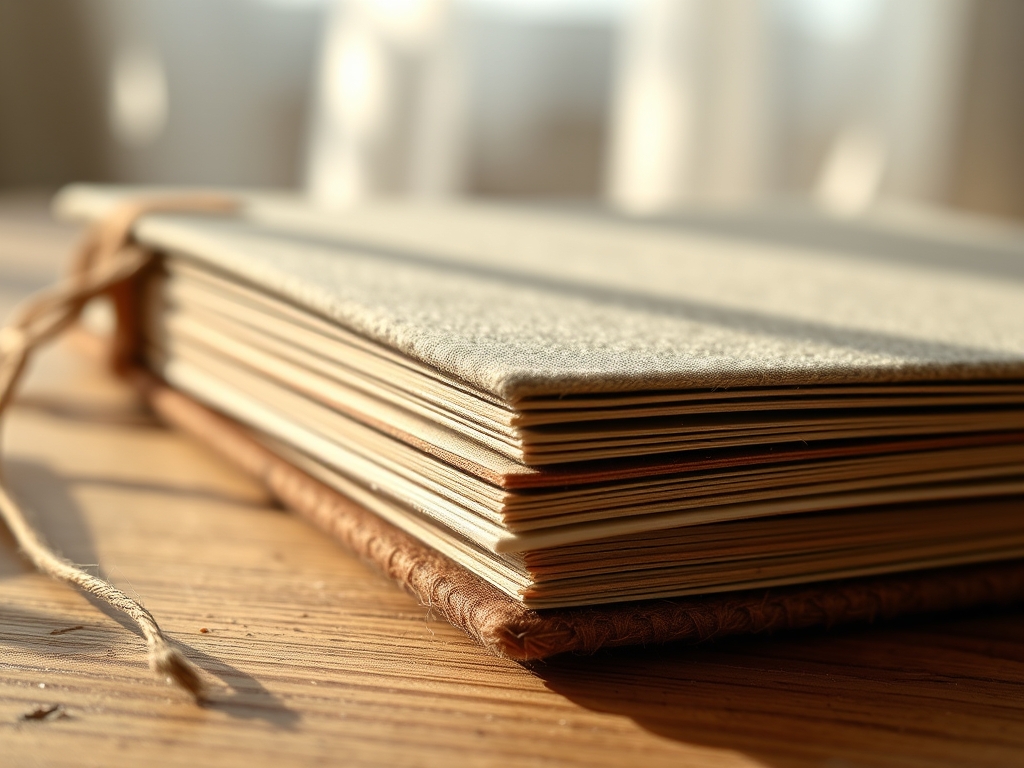
Look at that spine! The way the French link stitch creates a rhythmic, braided texture across the back is pure structural art. Your hand bound photo albums now possess the heft and "clunk" of a luxury object. When you flip the pages, they should lay perfectly flat, inviting you to linger over every image without the paper fighting to spring closed. You have successfully navigated the complexities of fiber orientation and adhesive chemistry. This isn't just a book; it is a fortified vessel for memories, built with the precision of a scientist and the soul of an artist. Go ahead, give it one last burnish and feel that smooth, professional finish. You earned it!
STUDIO QUESTIONS
What is the best glue for photo albums?
Always use pH neutral PVA glue or wheat starch paste. These adhesives are acid free, preventing the yellowing and chemical degradation of your photographs over time. They provide a flexible, permanent bond that accommodates the natural expansion of paper fibers.
Why does my book cover warp?
Warping occurs when the grain direction of the cover material and the board are not parallel. When the glue dries, the fibers pull in different directions. Always ensure the grain of your paper, cloth, and board runs parallel to the spine.
Can I use regular thread for binding?
Standard sewing thread is too thin and lacks the tensile strength required for bookbinding. It can cut through the paper like a saw. Use waxed linen thread or heavy duty upholstery thread to ensure the spine remains secure and durable.
How do I prevent my pages from waving?
Waving is caused by moisture absorption in the wrong grain direction. Ensure your page grain runs parallel to the spine. This allows the paper to expand vertically rather than horizontally, maintaining a flat profile even in humid conditions.