Wet clay is the ultimate truth teller. It is heavy, cold, and smells like a rainy afternoon in a deep forest. When you first plunge your hands into a fresh block of stoneware, you are not just playing with mud; you are engaging with a complex lattice of mineral particles and water molecules. Finding the perfect Personalized Pottery Gifts means moving beyond the mass produced and leaning into the tactile reality of hand forged ceramics. There is a specific, electric joy in feeling the resistance of the clay as it fights against your palms before finally yielding to your intent. We are looking for that sweet spot where the moisture content allows for maximum plasticity without compromising the structural integrity of the walls. Whether you are aiming for a minimalist monogram or a deeply carved set of initials, the physics of the medium dictates the beauty of the result. Grab your apron and tie your hair back because we are about to turn raw earth into a permanent legacy.
THE STUDIO KIT
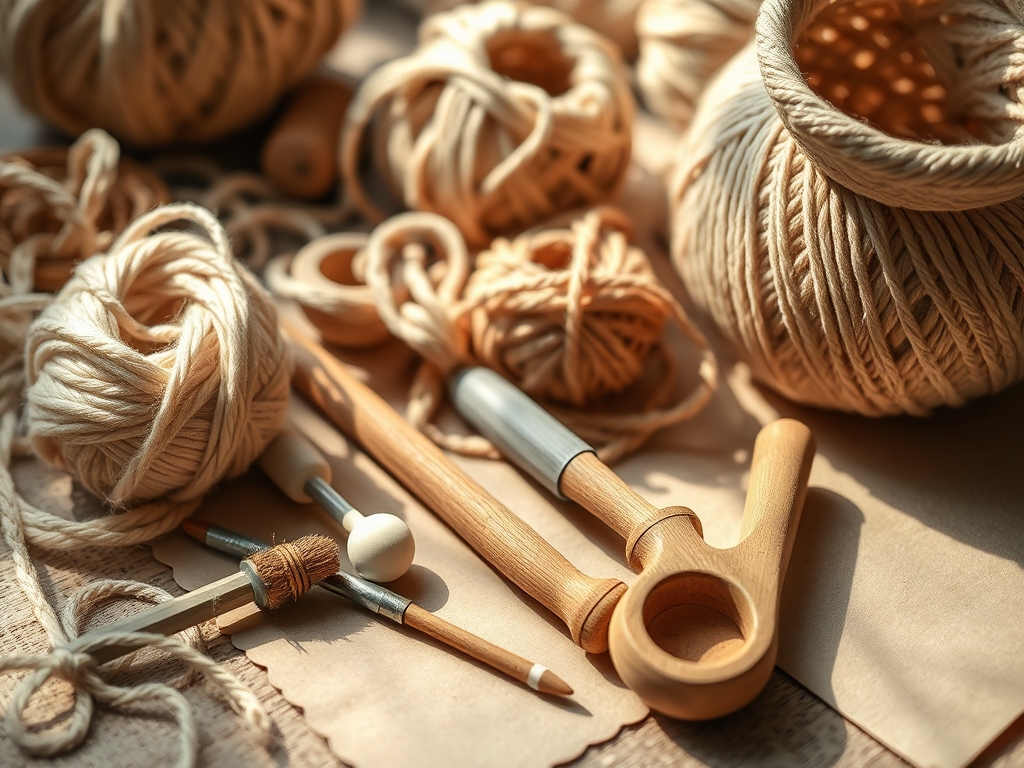
To master the art of Personalized Pottery Gifts, you need a kit that respects the chemistry of the kiln. Your primary material should be a mid fire stoneware clay body with a fine grog content. Grog consists of pre fired clay that has been ground down; it acts like a skeletal system for your piece to prevent warping during the drying phase. You will need a wire clay cutter for portioning, a serrated rib for scoring surfaces, and a needle tool for precision incising of those custom initials. For the finishing touches, a chamois cloth is essential for compressing the rim to prevent micro cracks.
If you cannot access a high fire kiln, your "Material Substitution" is a premium polymer clay or a high density air dry clay. While these do not undergo the same chemical transformation as vitrified stoneware, they can be reinforced with an internal wire armature to increase their tensile strength. For professional marking, use a set of alphabet stamps or a fine tipped stylus. If you want a polished sheen without a glaze fire, a burnishing stone can be used to compress the surface molecules until they reflect light naturally.
THE TEMPO
The Maker's Rhythm is not a sprint; it is a choreographed dance with evaporation. Ceramics is governed by the "drying curve." You start with the Plastic Phase, which lasts about two hours of active shaping. This is when the clay is most hydrated and malleable. Once your form is established, you enter the Leather Hard Phase. This is the golden window for personalization. The clay still holds enough moisture to be carved without chipping, but it is firm enough to support its own weight. This phase typically lasts 12 to 24 hours depending on the ambient humidity of your studio.
The final stage is the Bone Dry Phase, where the piece becomes incredibly fragile as all chemically unbound water evaporates. You must wait at least seven days before the first firing. Rushing this process leads to "steam explosions" inside the kiln. The rhythm requires patience; you are working on the clay's schedule, not your own.
THE CORE METHOD
1. Wedging for Consistency
Before you shape a single thing, you must wedge the clay using the "ram's head" technique. This process eliminates air pockets and aligns the clay particles into a uniform spiral. Mastery Tip: This is about homogenization. If air bubbles remain, the trapped gas will expand during firing, causing the piece to shatter. You are essentially using your body weight to create a vacuum seal within the material.
2. Centering the Mass
If you are using a wheel, centering is a battle of physics. You must find the exact axis of rotation. Use your palms to exert downward and inward pressure simultaneously. Mastery Tip: This relies on centripetal force. By stabilizing your elbows against your hips, you become a human tripod, forcing the clay to find its center through sheer mechanical stability.
3. The Pull and Wall Tension
As you lift the clay to form the walls, use your fingers to "pinch and pull" in a slow, steady upward motion. Ensure the base is slightly thicker than the rim to provide a low center of gravity. Mastery Tip: Maintain structural equilibrium. If the walls are uneven, the thinner sections will dry faster, leading to "S-cracks" in the base due to uneven shrinkage rates.
4. Scoring and Slipping for Initials
To add 3D initials, you must use the "score and slip" method. Scratch the surface of both pieces and apply a slurry of clay and water. Mastery Tip: This creates a capillary bridge. The slip acts as a liquid adhesive that draws the two surfaces together as the water evaporates, interlocking the clay platelets at a microscopic level.
5. Incising the Personalization
For a recessed look, use a fine tipped stylus to carve the initials during the leather hard stage. Sweep away the "burrs" with a soft brush rather than your fingers. Mastery Tip: Pay attention to displacement. Carving removes mass, so ensure your lines are deep enough to survive the glaze filling them in, but not so deep that they create a structural fault line.
6. Compression of the Rim
Use a damp chamois or a flexible rib to compress the top edge of your piece. This is the most vulnerable part of any vessel. Mastery Tip: Compression increases the surface density of the clay. By packing the particles tighter at the rim, you make the piece significantly more resistant to chipping during daily use.
7. The Bisque Fire
The first trip to the kiln reaches roughly 1900 degrees Fahrenheit. This turns the clay into a porous, rock like state. Mastery Tip: This is a chemical dehydration. You are driving out the chemically combined water, transforming the clay from a silicate hydrate into a ceramic material that can no longer be dissolved by water.
8. Glazing and Vitrification
Apply your chosen glaze and fire the piece a second time at a higher temperature. Mastery Tip: This is the vitrification phase. The glaze melts into a glass coating, and the clay body shrinks one last time to reach its maximum density and strength, becoming non porous and food safe.
THE TECHNICAL LEDGER
Maintenance & Longevity: To ensure your Personalized Pottery Gifts last for generations, avoid "thermal shock." Do not move a piece directly from a cold refrigerator to a hot oven. Hand washing is preferred to prevent the caustic chemicals in dishwashers from dulling the glaze over time.
Material Variations:
- Sustainable: Use "reclaim" clay, which is recycled scrap processed through a pug mill.
- Premium: Porcelain offers the highest level of translucency and a "fine gauge" finish but has very low initial tensile strength.
- Recycled: Incorporate crushed glass (cullet) into non functional decorative areas for a geode effect.
The Correction:
- The Crack: If a crack appears in the leather hard stage, do not just add water. Use a mixture of paper pulp and slip (paper clay) to bridge the gap.
- The Slump: If your walls are collapsing, use a heat gun to selectively dry the base, increasing its load bearing capacity.
- The Bloat: If bumps appear after firing, it means your kiln rose too fast. Slow down the "ramp" speed in future firings to allow gases to escape.
Studio Organization: Store unfinished projects in a "damp box" (a plastic bin with a layer of wet plaster at the bottom). This maintains a 100% humidity environment, preventing degradation and allowing you to work on the piece for weeks without it reaching the bone dry state.
THE FINAL REVEAL
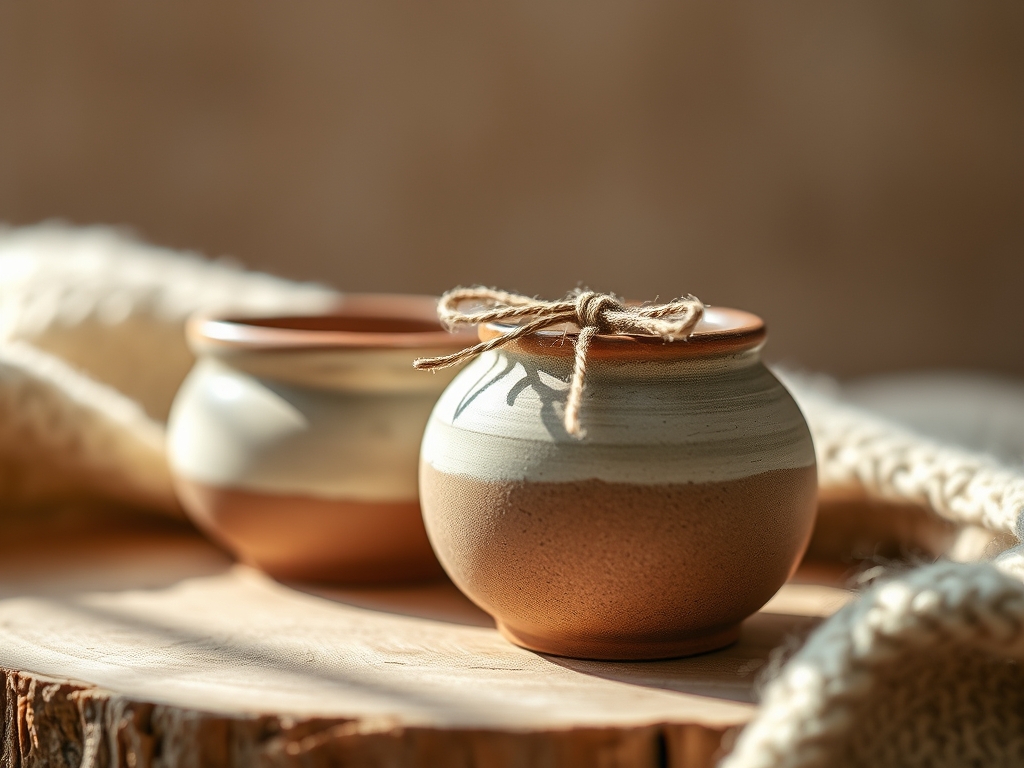
There is nothing quite like the moment you open the kiln lid and see your finished Personalized Pottery Gifts glowing in the light. The dull, grey mud has been resurrected as a vibrant, glass coated treasure. The initials you carved are now permanent; they are part of the stone itself. The weight of the piece in your hand feels intentional and significant. You have successfully navigated the laws of thermodynamics and chemistry to create something that did not exist yesterday. It is smart, it is soulful, and it is built to endure.
STUDIO QUESTIONS
How do I prevent my clay from cracking?
Maintain even moisture levels throughout the piece. Cover extremities like handles with plastic to slow their drying time, ensuring the entire form reaches the bone dry stage at the same rate to minimize internal stress and warping.
What is the best clay for beginners?
Stoneware with grog is the gold standard. It provides excellent structural integrity and is more forgiving during the shaping process than porcelain, which has a "memory" and tends to collapse if overworked or overhydrated.
Can I make pottery without a kiln?
For functional, food safe items, a kiln is mandatory for vitrification. However, for decorative Personalized Pottery Gifts, you can use high quality air dry clay sealed with a food safe resin or a specialized acrylic varnish.
How do I make my initials look professional?
Use a template or stamp for consistency. If hand carving, wait until the clay is "leather hard" to achieve crisp, clean lines without the "drag" or "tearing" that occurs when the clay is too wet.
Is handmade pottery dishwasher safe?
If fired to the correct temperature for the specific clay body and glaze, it is generally safe. However, the high heat and abrasive detergents can eventually cause crazing, which are tiny cracks in the glaze surface.