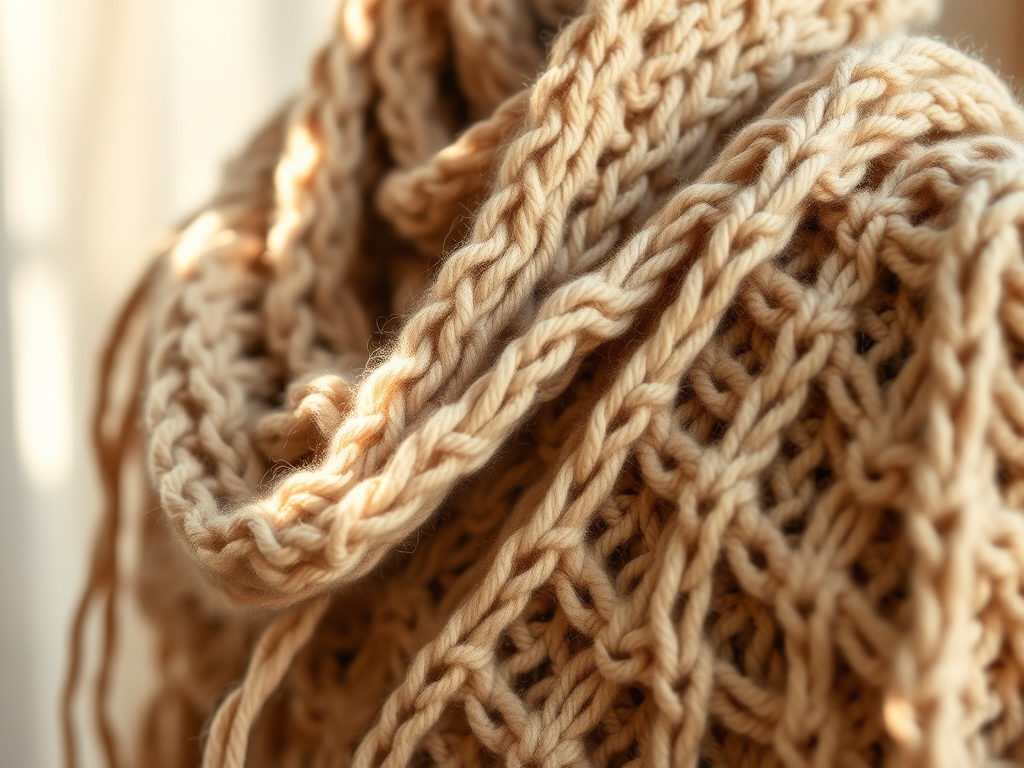

The scent of pressed wool and the faint, metallic tang of carbon steel needles fill the air of a productive studio. When you run your thumb across a sheet of high density felt, you are feeling the result of thousands of microscopic scales interlocking to create a non woven textile with incredible structural integrity. This material is the perfect canvas for creating Hand Stitched Felt Puppets that can withstand the rigorous mechanical stress of imaginative play. Unlike woven fabrics that fray at the edges when under tension, felt is a multidirectional matrix of fibers. This means your stitches do not just hold two pieces of cloth together; they anchor into a dense web that distributes force evenly across the seam. Grab your favorite beverage and clear your workbench. We are about to dive into the physics of soft sculpture to bring six iconic storybook characters to life. We are not just making toys here. We are engineering tactile interfaces for storytelling that utilize the high friction coefficient of wool to ensure every puppet stays snug on the hand while maintaining a crisp, professional silhouette.
THE STUDIO KIT
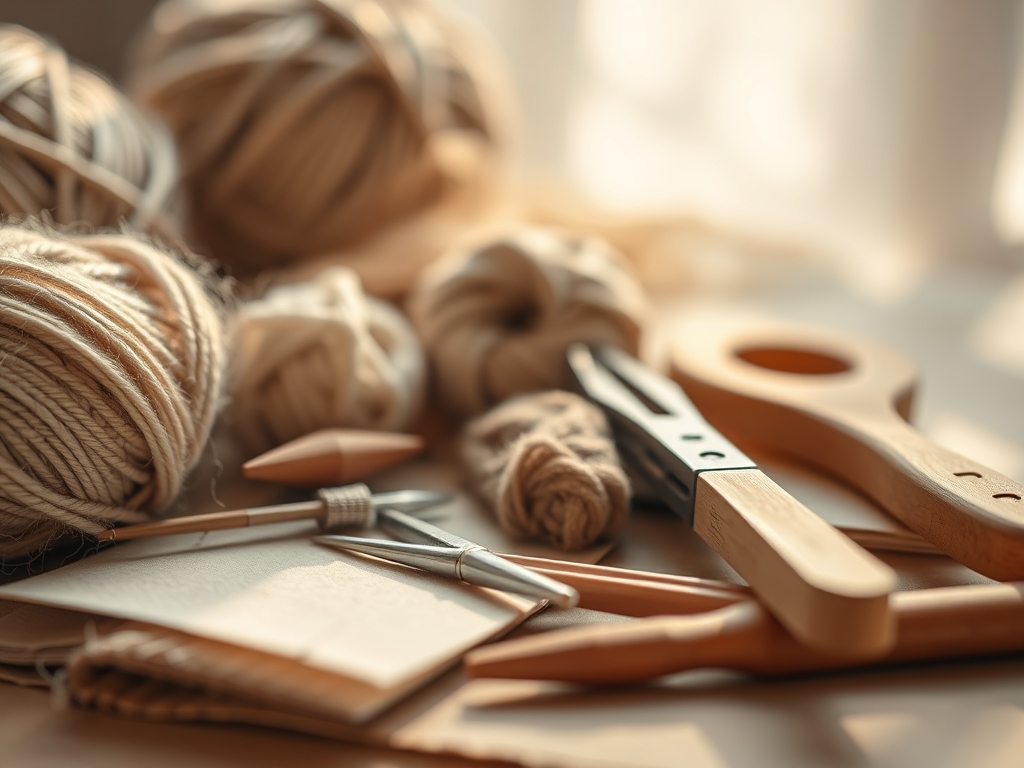
To achieve professional results, you must look beyond the basic craft bin. Your primary material should be a wool blend or 100% merino felt. Synthetic acrylic felt has low tensile strength and will pill or deform when subjected to the heat of your hands or the friction of play. You will need a pair of micro serrated shears to grip the fibers as you cut; this prevents the fabric from sliding and ensures your dimensions remain true to your pattern. For the joinery, use a size 8 perle cotton thread or a high quality six strand embroidery floss. The gauge of your needle matters immensely. A No. 5 embroidery needle provides the necessary eye width for thick thread while maintaining a slim enough profile to pass through the felt without leaving gaping permanent apertures.
Material Substitutions: If you cannot source premium wool felt, look for recycled PET felt. It offers a similar stiffness and high melting point, though it lacks the natural elasticity of animal fibers. For internal structural support in larger puppets, a small piece of buckram or stiffened interfacing can be used to prevent the "wilting" effect often seen in low quality builds. Always have a bone folder on hand to crisp your seams and a rotary cutter with a fresh 45mm blade for long, linear cuts that require mathematical precision.
THE TEMPO
The creation of Hand Stitched Felt Puppets follows a specific chronological rhythm. Expect to spend approximately 45 minutes on the Architectural Phase, which involves tracing and cutting your pattern pieces with absolute symmetry. The Embellishment Phase takes the longest, roughly two hours per character, as you add facial features and costume details using surface embroidery. Finally, the Assembly Phase requires about 60 minutes of focused stitching. This "Maker's Rhythm" is dictated by the hand's ergonomic limits. Take a break every 30 minutes to stretch your carpal tunnels and reset your focal length to prevent eye strain.
THE CORE METHOD
1. Vector Mapping and Precision Cutting
Begin by pinning your paper templates to the felt using hardened steel dressmaker pins. Use your shears to cut with long, continuous strokes rather than short snips. This reduces the number of "burrs" or jagged edges on the felt periphery.
Mastery Tip: The physics of cutting felt involves managing the shear force of the blades. By using micro serrated shears, you increase the surface area of the blade's contact point, preventing the fibers from compressing and shifting, which ensures your front and back panels are identical down to the millimeter.
2. Surface Architecture and Detailing
Before sewing the front and back together, you must execute all "top side" details. This includes eyes, rosy cheeks, or character specific icons like a hero's crest. Use a vanishing ink fabric marker to plot your coordinates.
Mastery Tip: When stitching small details, consider capillary action if you use any fabric glues as a temporary hold. Apply adhesives sparingly to the center of the piece to avoid "seep out," which can harden the felt and make it impossible for your needle to penetrate the fibers during the final stitch.
3. The Structural Blanket Stitch
Align your front and back panels and begin at the base of the puppet. Execute a blanket stitch with consistent tension. The goal is to create a "ladder" of thread that protects the raw edge of the felt from abrasion.
Mastery Tip: Maintaining uniform tensile stress on your thread is vital. If you pull too tight, the felt will pucker and lose its ergonomic shape. If too loose, the seam will gap, exposing the interior. Aim for a "neutral tension" where the thread sits flush against the edge without compressing the felt's thickness.
4. Anchoring and Stress Point Reinforcement
As you reach the "neck" or "arm" joints of your storybook characters, execute a backstitch or a double wrap of your blanket stitch. These areas experience the highest mechanical load during use.
Mastery Tip: This is an application of structural load distribution. By doubling the thread count at pivot points, you move the stress from the fragile felt edge to the high strength cotton thread, significantly increasing the lifespan of the puppet.
THE TECHNICAL LEDGER
Maintenance & Longevity: Felt is a porous material that traps dust and oils. Never submerge your puppets in water; this will cause the wool to "felt" further, resulting in shrinkage and loss of shape. Instead, use a soft bristle brush or a pressurized air canister to remove debris. Spot clean only with a damp cloth and pH neutral soap.
Material Variations: For a luxury feel, incorporate silk velvet for capes or metallic bullion thread for crowns. If you are focused on sustainability, use "felted" wool from old sweaters that have been processed in a high heat wash cycle to achieve a dense, boil washed texture.
The Correction:
- Puckered Seams: If the felt ripples, your tension is too high. Use a seam ripper to carefully snip every third stitch and re sew with a lighter hand.
- Asymmetric Alignment: If the head is lopsided, your pins shifted. Use a caliper to measure from the center seam to the edge to ensure mathematical balance before the final close.
- Thread Knotting: To prevent "birds nesting," run your thread through a beeswax conditioner. This coats the fibers and reduces the friction coefficient as the thread passes through the felt.
Studio Organization: Store your completed puppets in a breathable cotton bag away from direct UV light. Prolonged exposure to sunlight will cause photodegradation, breaking down the chemical bonds in the dye and making the fibers brittle.
THE FINAL REVEAL
There is nothing quite like the moment you slide your hand into a finished puppet and feel the snug, custom fit of your own engineering. Your Hand Stitched Felt Puppets are now ready for the stage. The vibrant colors of the wool, the rhythmic precision of the blanket stitches, and the weighted feel of the high density material make these characters feel substantial and professional. They are not just toys; they are handcrafted artifacts designed to spark decades of storytelling. The tactile feedback of the wool against your skin provides a sensory experience that plastic toys simply cannot replicate.
STUDIO QUESTIONS
What is the best thread for felt puppets?
A size 8 perle cotton or three strands of high quality embroidery floss provides the best balance of strength and visibility. These threads have a high tensile rating and will not snap when the puppet is stretched during play.
How do I prevent the felt from pilling?
Use 100% wool felt instead of synthetic blends. Wool has a natural scales structure that resists abrasion. For existing pills, use a small pair of embroidery scissors or a specialized fabric shaver to carefully remove the fuzz without damaging the base.
Can I use a sewing machine for these?
While possible, hand stitching is superior for felt puppets because it allows for "on the fly" tension adjustments. A machine can often stretch the felt unevenly, leading to distorted shapes and a loss of the artisanal tactile quality.
How long do hand stitched puppets last?
When constructed with wool felt and reinforced stress points, these puppets can last for generations. Proper storage in a cool, dry place away from moths and UV light is essential for preserving the fiber integrity and color saturation.