Grab a seat at the workbench and feel that cool, damp weight in your palms; we are about to turn a messy afternoon into a high-end gallery piece. There is something intoxicating about the smell of wet earth and the way raw clay yields to the slightest pressure of your thumb. When we talk about crafting Personalized Christmas Ornaments, we are not just making trinkets; we are capturing a specific moment in time through the physics of compression and chemical bonding. The goal is to take a child's handprint and transform it into a ceramic heirloom that feels substantial and professional. You can feel the moisture content in the clay as it resists or assists your touch. If the clay is too dry, it cracks under the pressure of a tiny palm; if it is too wet, the detail of the skin texture is lost to the mud. We are looking for that perfect plastic state where the material holds its shape but remains supple enough to record every unique fingerprint swirl.
THE STUDIO KIT
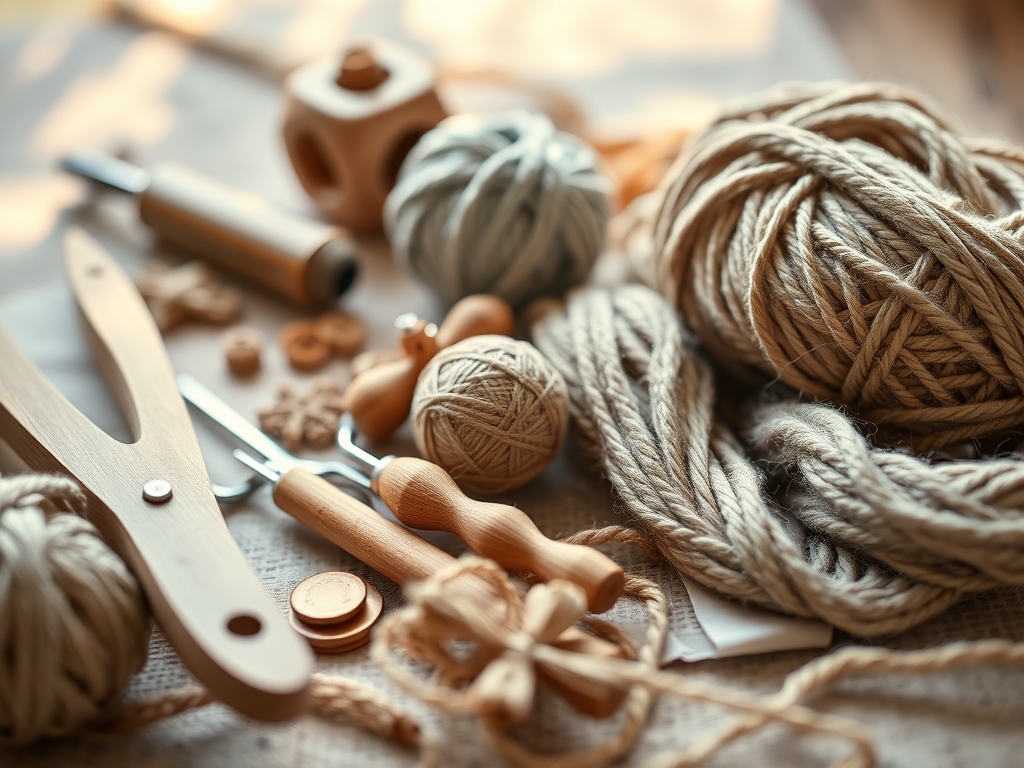
To achieve professional results, you need more than just a rolling pin. We are looking for tools that offer precision and durability. Start with a high-quality air-dry clay or a low-fire white earthenware if you have access to a kiln. You will need a stainless steel rolling pin or a heavy glass bottle to ensure an even thickness across the slab. Use calipers to measure the depth of your clay; consistency is key to preventing warping during the evaporation process. A needle tool or a fine-tipped awl is essential for cutting clean edges, while a bone folder helps burnish the sides for a silky finish. For the handprint itself, keep a small spray bottle of distilled water nearby to manage the surface tension of the clay.
Material Substitutions: If you cannot find professional grade clay, a high-density salt dough (flour, salt, water) works in a pinch, though it lacks the fine tensile strength of mineral-based clays. You can swap a professional clay cutter for a large biscuit cutter or even a sturdy tuna tin with the bottom removed. For smoothing, a damp makeup sponge provides a softer touch than a standard kitchen sponge, which can leave unsightly grit marks on the surface.
THE TEMPO
The "Maker's Rhythm" is all about respecting the chemical transition from wet to "leather-hard" to bone-dry. You cannot rush the physics of evaporation. Expect to spend about 30 minutes on the preparation and impression phase. This is the high-energy part where the handprint is captured. Following this, the ornaments require a "resting period" of 24 to 48 hours depending on the ambient humidity of your studio. During this time, the water molecules slowly exit the clay body. If they exit too fast, the ornament will curl like a dried leaf. We aim for a slow, steady cure. Finally, give yourself an hour for the finishing touches: sanding, painting, and sealing. Total project duration spans about three days from the first roll to the final ribbon.
THE CORE METHOD
1. Preparing the Slab
Roll your clay out on a non-porous surface like a silicone mat or a piece of parchment paper. Aim for a consistent thickness of 1/4 inch. Use your calipers to check different points of the slab to ensure it is level. A level surface ensures that the weight of the ornament is distributed evenly when it eventually hangs on a tree branch.
Mastery Tip: This is all about structural integrity. If the slab is too thin, it becomes brittle once the moisture evaporates. If it is too thick, it will be too heavy for the tree. By maintaining a 1/4 inch gauge, you balance durability with weight.
2. The Impression
Position the hand in the center of your cutout area. Apply firm, even pressure across the palm and each individual finger. Do not let the hand wiggle, as this creates "ghosting" or blurred lines in the clay. Lift the hand straight up to avoid distorting the edges of the print.
Mastery Tip: Leverage the science of displacement. When the hand presses down, the clay must go somewhere. If your slab is too constrained, the edges will bulge. Ensure you have at least two inches of "buffer clay" around the hand to absorb this displacement without ruining the shape.
3. Precision Cutting
Using your awl or a circular cutter, carve out the shape of your ornament. You can go for a classic circle, a star, or even follow the contour of the hand itself for a more organic look. Use a steady hand and a single, fluid motion to prevent jagged edges.
Mastery Tip: Use a needle tool held at a 90-degree angle to the work surface. This prevents a beveled edge, which can lead to uneven drying and potential cracking at the thinnest points.
4. Creating the Suspension Point
Before the clay begins to set, use a straw or a small hollow punch tool to create a hole at the top. Ensure the hole is at least 1/2 inch from the edge to prevent the weight of the ornament from snapping the top loop later.
Mastery Tip: Consider capillary action when smoothing the hole. Use a tiny drop of water on a paintbrush to smooth the interior of the circle. This prevents micro-fractures from forming as the clay shrinks during the drying process.
5. The Slow Cure
Place your ornaments on a wire cooling rack. This allows air to circulate around both the top and the bottom of the piece, ensuring a symmetrical drying process. Flip them every few hours if you notice any slight upward bowing.
Mastery Tip: This phase is about managing hygroscopic stress. If one side dries faster than the other, the clay particles pull together unevenly, causing a warp. The wire rack is your best friend for maintaining flatness.
6. Refining the Edges
Once the ornament is bone-dry (it will feel room temperature to the touch rather than cool), use a fine-grit sandpaper or a sanding sponge to smooth out any imperfections. This is where the piece goes from "craft project" to "boutique find."
Mastery Tip: Wear a mask during this stage to avoid inhaling silica dust. Use a "dry-to-wet" sanding technique if using polymer-based clays to achieve a glass-like finish without clogging the grit of your paper.
7. Pigment Application
Apply your base coat of acrylic paint or a specialized ceramic wash. If you want the handprint to pop, use a "wipe-back" technique: paint the entire surface, then quickly wipe the top layer with a damp cloth so the pigment remains only in the deep grooves of the print.
Mastery Tip: This utilizes viscosity. A thinner wash will settle into the fine lines of the palm print via gravity, highlighting the unique details that make the ornament personalized.
8. Burnishing and Sealing
For a high-gloss professional look, use a bone folder or a smooth stone to burnish the unpainted areas of the clay. Finally, apply a UV-resistant clear sealer to protect the piece from moisture and yellowing over time.
Mastery Tip: Sealing the clay creates a non-porous barrier. Air-dry clay is naturally thirsty and will absorb atmospheric moisture, which can lead to mold or softening over years of storage. A proper seal is a permanent insurance policy.
9. Hardware Integration
Thread a high-quality velvet ribbon or a metallic wire through the suspension point. You can add a small metal charm with the year engraved on it or use a jeweler's saw to cut a small wooden backing for extra reinforcement.
Mastery Tip: Match the gauge of your wire to the weight of the ornament. A wire that is too thin will cut into the clay over time; a wire that is too thick looks clunky. Balance is the key to aesthetic longevity.
THE TECHNICAL LEDGER
Maintenance & Longevity: To keep your ornaments pristine, avoid storing them in damp basements or sweltering attics. Extreme temperature fluctuations cause the clay to expand and contract, which leads to "crazing" or tiny surface cracks. Wrap each piece in acid-free tissue paper and store them in a rigid, climate-controlled container.
Material Variations: For a sustainable twist, use a "cold porcelain" made from cornstarch and baking soda; it dries to a translucent, delicate finish. For a premium feel, use a black obsidian clay which provides a stunning contrast when filled with gold leaf or metallic wax.
The Correction:
- The Warp: If your ornament curls during drying, place a flat, heavy book on top of it while it is still slightly leather-hard to force it back to a level plane.
- The Crack: If a small crack appears, mix a "slurry" of clay and water into a paste. Press it into the crack, let it dry, and sand it smooth.
- The Blur: If the handprint is shallow, use your awl to gently deepen the lines while the clay is still damp, following the natural ridges of the impression.
Studio Organization: Store your raw clay in double-sealed airtight bags with a damp paper towel to maintain its plasticity. Keep your metal tools clean and dry to prevent oxidation. An organized maker is a precise maker.
THE FINAL REVEAL
There is nothing quite like the weight of a finished, polished ornament in your hand. When you hold your Personalized Christmas Ornaments up to the light, you see more than just clay; you see a frozen moment of childhood captured with technical brilliance. The edges are smooth, the handprint is deep and detailed, and the finish is as professional as anything you would find in a high-end studio. These pieces have a tactile soul that plastic ornaments simply cannot replicate. You have successfully navigated the physics of ceramics to create a legacy piece that will hang on the tree for decades.
STUDIO QUESTIONS
How do I prevent my clay ornaments from cracking?
Cracking usually happens due to rapid evaporation. Ensure you dry your pieces slowly, away from direct sunlight or heat vents. Using a wire rack for 360-degree airflow helps the clay particles settle evenly without internal tensile stress.
What is the best clay for handprints?
A fine-grain air-dry clay or a soft polymer clay is best. These materials have a high "plasticity index," meaning they take a detailed impression without requiring the extreme pressure that might be uncomfortable for a small child's hand.
Can I fix an ornament if it breaks?
Yes. For bone-dry clay, use a high-strength cyanoacrylate adhesive (super glue). For wet or leather-hard clay, use a slurry made of clay and water to "weld" the pieces back together, then sand the seam once it is fully dry.
How do I get a smooth finish without a kiln?
The secret is burnishing. Before the clay is fully dry, use a smooth, hard object like a metal spoon to rub the surface. This compresses the surface molecules, creating a natural sheen and a professional, non-porous texture.