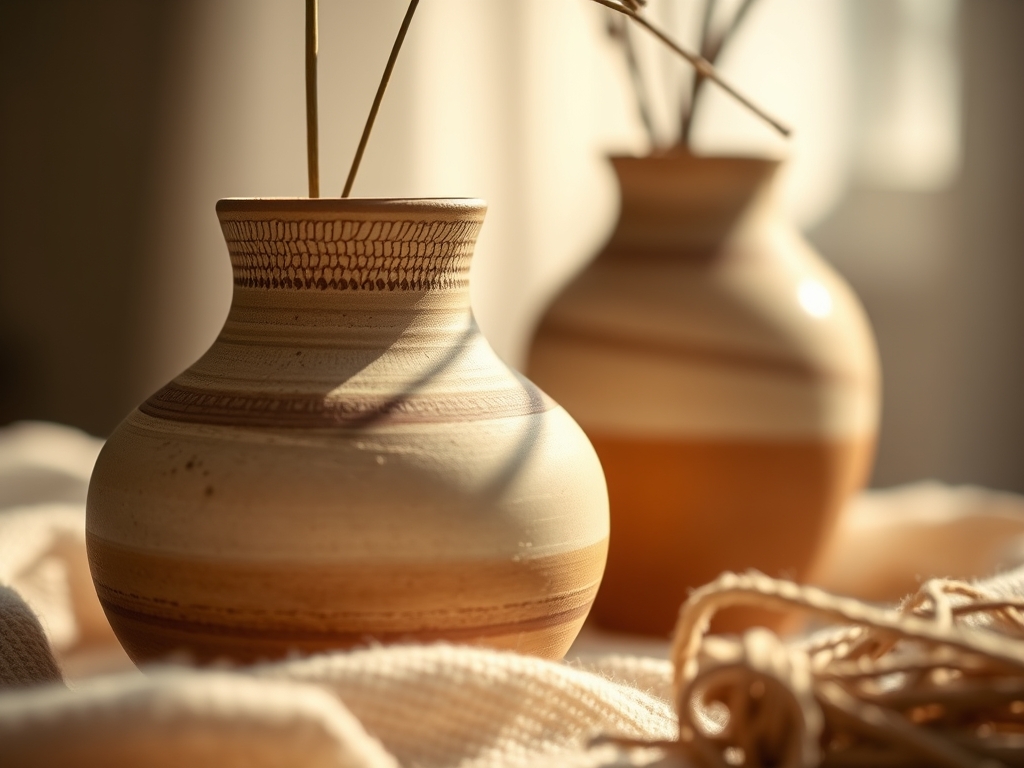
Wet clay is a living thing; it has a memory that rivals an elephant and a stubborn streak that would make a mule blush. When you sit down at the wheel to create Hand Thrown Wedding Vases, you are not just shaping mud. You are engaging in a high stakes negotiation with centrifugal force and structural integrity. The cool, slick slurry of the slip coats your palms as the kiln dried stoneware begins to yield. There is a specific, tactile thrill when the clay transitions from a chaotic lump into a centered, rotating cylinder. You can feel the tensile strength of the walls through your fingertips; if they get too thin, gravity wins and the piece collapses. If they stay too thick, the vase feels leaden and lacks the elegance required for a matrimonial centerpiece. We are aiming for that perfect, ethereal balance where the form feels light enough to float but grounded enough to hold a massive bouquet of lilies. Let us get our hands dirty and dive into the science of the spin.
THE STUDIO KIT
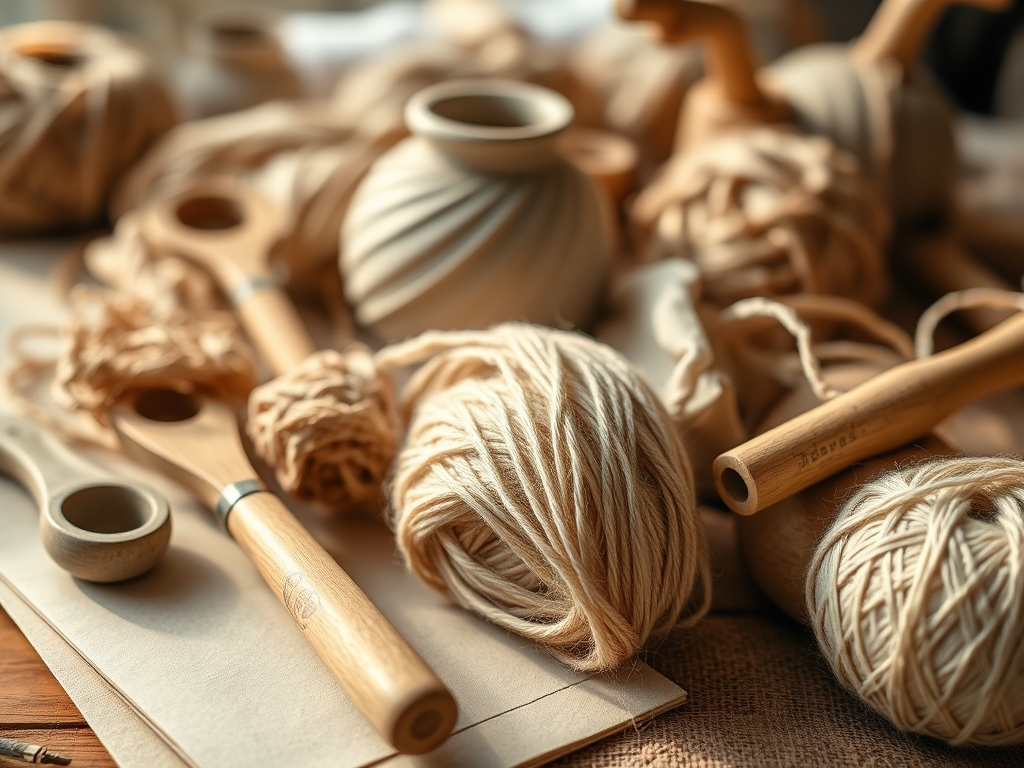
To execute these pieces with professional precision, your workbench needs to be a curated ecosystem of efficiency. You will need a high torque pottery wheel capable of maintaining a steady RPM under the weight of five pounds of clay. Your primary shaping tools should include a stainless steel rib for compressing the exterior walls and a hardwood modeling tool for defining the foot. Precision is non negotiable; keep your calipers nearby to ensure the rim diameters match across the entire set. For the finishing touches, a chamois cloth is essential for compressing the rim to prevent jagged edges after the firing process.
Material Substitutions: If you cannot source a high fire stoneware, a mid range porcelain offers incredible translucency but requires a much higher level of moisture control due to its lower plasticity. For those without a dedicated trimming tool, a sharpened spoon or a loop tool fashioned from heavy gauge wire can serve as a functional surrogate for creating the recessed foot.
THE TEMPO
The "Maker's Rhythm" is less about a stopwatch and more about the evaporation rate of the water trapped within the clay body. You cannot rush the chemistry of ceramics. The initial throwing phase takes approximately thirty to forty five minutes per vase, depending on the complexity of the neck. However, the real work happens during the "waiting window." You must allow the piece to reach a leather hard state, which typically takes twelve to twenty four hours in a humidity controlled environment.
Trimming and handle attachment (if you are feeling bold) require another hour of focused labor. The most dangerous phase is the bisque fire, a slow ramp up over twelve hours to drive out chemically combined water. Finally, the glazing and second firing add another forty eight hours to the timeline. Total production time for a suite of wedding vases spans roughly one week. Respecting this tempo ensures that the internal stresses of the clay do not result in "S" cracks at the base.
THE CORE METHOD
1. Centering and Opening the Floor
The foundation of any successful vessel is a perfectly centered mass. Use your body weight, leaning into the clay with your palms to force the particles into a unified alignment. Once centered, use your thumb to create a deep well, stopping exactly half an inch from the bat.
Mastery Tip: This stage relies on fluid dynamics. By keeping your hands lubricated with slip, you reduce friction which prevents the clay from "grabbing" your skin and pulling the piece off center.
2. Pulling the Walls with Even Pressure
Using a "pinch and lift" motion, pull the clay upward. Your inside hand should be slightly higher than your outside hand to create a slight inward taper, which fights the natural tendency of the clay to flare out due to centrifugal force.
Mastery Tip: Focus on wall thickness consistency. If the base is significantly thicker than the rim, the uneven drying rates will cause the vase to crack during the vitrification process.
3. Shaping the Silhouette
Once you have achieved the desired height, use your flexible steel rib to sweep along the exterior. This compresses the clay particles, increasing the surface density and creating a smooth canvas for your glazes.
Mastery Tip: This is where capillary action comes into play. If you leave excess water at the bottom of the vase, it will weaken the floor. Use a sponge on a stick to keep the interior bone dry.
4. Refining the Rim and Foot
A wedding vase must look finished from every angle. Use your chamois to compress the rim, rounding it into a soft, ergonomic lip. After the piece reaches leather hard, flip it over and use a loop tool to carve a refined foot ring.
Mastery Tip: Trimming the foot reduces the overall mass and creates a "heat sink" effect, allowing the base to cool at the same rate as the walls, preventing thermal shock.
THE TECHNICAL LEDGER
Maintenance & Longevity: To ensure these vases survive for decades, they must be fired to full vitrification. This means the clay body has become non porous and glass like. Always hand wash handmade ceramics; the high heat and harsh detergents of a dishwasher can cause crazing (tiny cracks) in the glaze over time.
Material Variations: For a sustainable twist, incorporate recycled "pugged" clay, which often has a higher grit content (grog) that provides superior structural support for larger vases. For a premium finish, use a Grolleg porcelain body, prized for its whiteness and ability to make glazes pop with vibrant clarity.
The Correction:
- The Wobble: If the vase starts to shake, your walls are uneven. Fix this by using a needle tool to trim the top rim perfectly level before continuing your pull.
- The Slump: If the vase collapses, the clay is too wet. Use a heat gun or blow dryer to quickly stiffen the lower third of the vessel.
- Glaze Crawling: If the glaze beads up like water on a car, the bisque was dusty. Always wipe your vases with a damp sponge before glazing to ensure a clean molecular bond.
Studio Organization: Store your leather hard pieces on plaster bats or wooden boards. Wrap them loosely in thin plastic to allow for a slow, even release of moisture. Never store them in a drafty area, as uneven airflow causes warping.
THE FINAL REVEAL
There is nothing quite like the moment the kiln lid swings open to reveal the finished Hand Thrown Wedding Vases. The transformation from dull, grey mud to a shimmering, glass coated masterpiece is pure alchemy. The nine elegant glazes we have chosen—ranging from a deep celadon to a toasted shino—react with the minerals in the clay to create a one of a kind finish. These vases are not just containers; they are a testament to the tensile strength of the couple's bond and the beauty of handcrafted art. They stand tall, polished, and ready to hold the floral celebrations of a lifetime.
STUDIO QUESTIONS
What is the best clay for wedding vases?
Stoneware is the superior choice for wedding vases because of its high durability and lower shrinkage rate. It provides a sturdy base for heavy floral arrangements while offering a beautiful, tactile surface for a variety of elegant glazes.
How do I prevent glazes from running?
To prevent glaze runs, always leave a "buffer zone" of at least a quarter inch at the bottom of the vase. You can also add bentonite to your glaze recipe to improve its viscosity and adherence during the firing.
Why do my vases crack during drying?
Cracking is usually caused by uneven moisture loss. If the rim dries faster than the base, the resulting tension pulls the clay apart. Cover the rims with plastic to ensure the entire piece reaches a uniform state simultaneously.
Can I mix different glaze colors?
Yes, but be mindful of chemical compatibility. Layering a high iron glaze over a stable matte can create beautiful "breaks" and movement. Always perform a test tile firing to see how the chemistries interact at high temperatures.