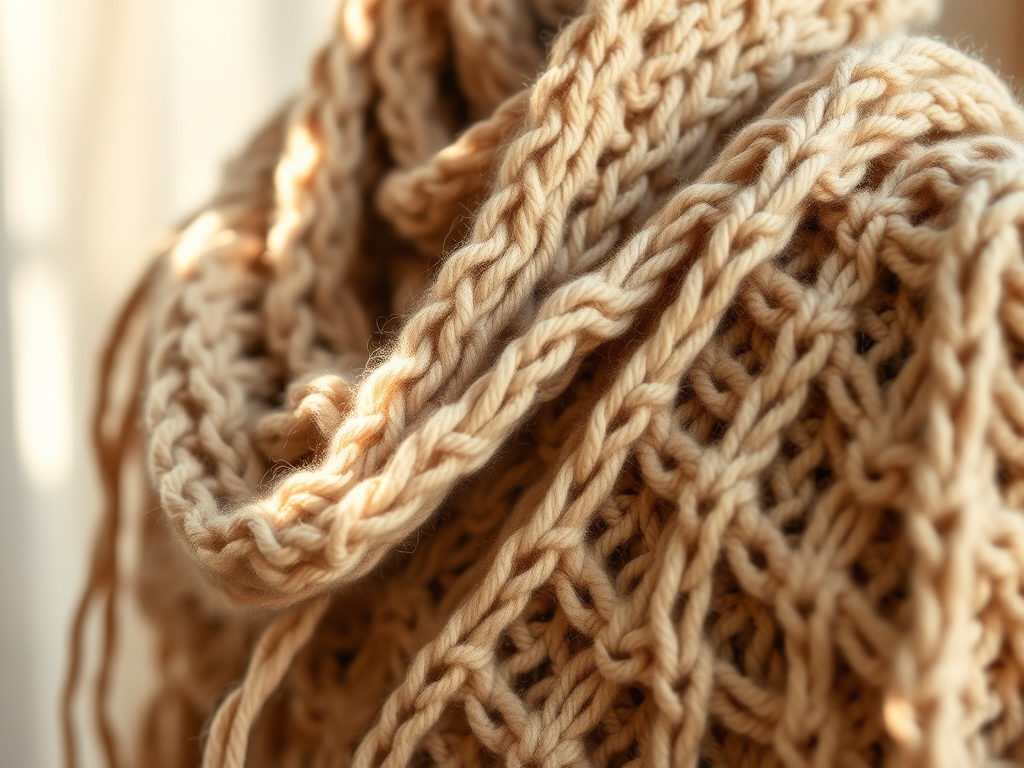
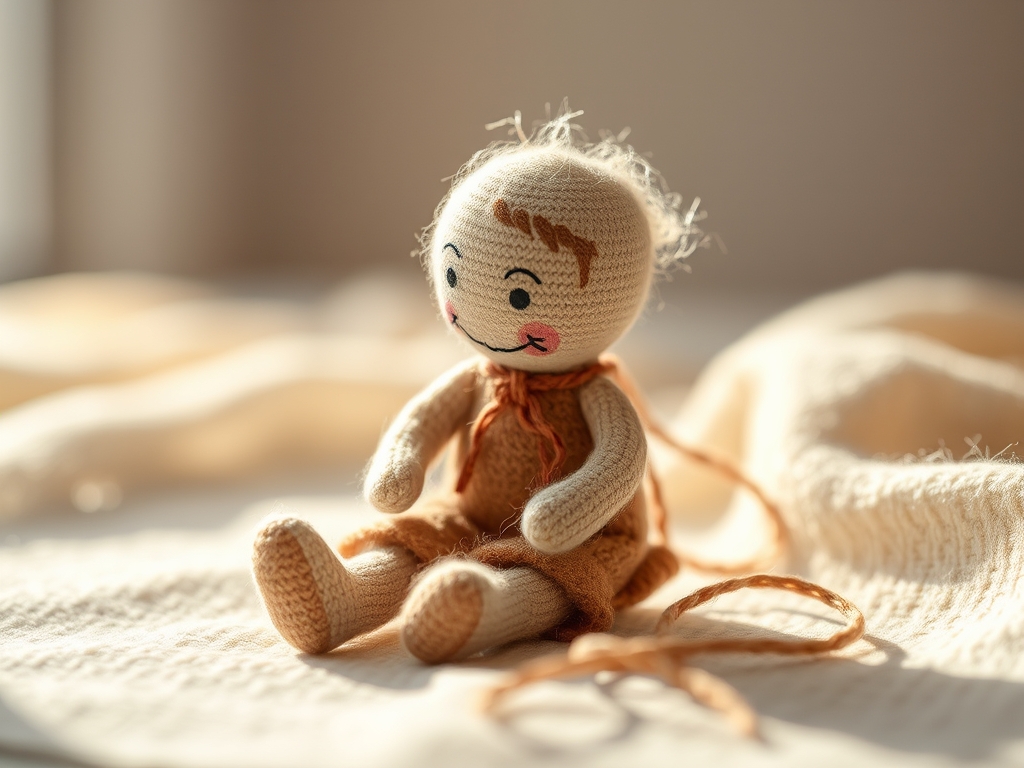
Close your eyes and imagine the scent of raw cotton mixed with the faint, metallic tang of a fresh needle. Hand stitched doll making is not just a hobby; it is an act of soft engineering where we transform flat, two dimensional planes into a three dimensional companion for a special child. You can feel the potential energy in a roll of linen. The way the fibers resist your pull tells you everything about its tensile strength. When you pick up a scrap of velvet, your fingertips register the pile density immediately. We are building a legacy piece here, something that must survive a decade of tea parties and tight hugs. This requires more than just a cute pattern; it requires an understanding of how organic fibers behave under the pressure of stuffing and the constant friction of play. We are looking for fabrics that offer a high thread count to prevent "bearding," which is when the polyester fill pokes through the weave like tiny white whiskers. Whether you are choosing a sturdy calico or a delicate silk for detailing, every stitch you place is a structural anchor. We are about to dive into the physics of the "soft sculpt" to ensure your creation is as durable as it is whimsical.
THE STUDIO KIT
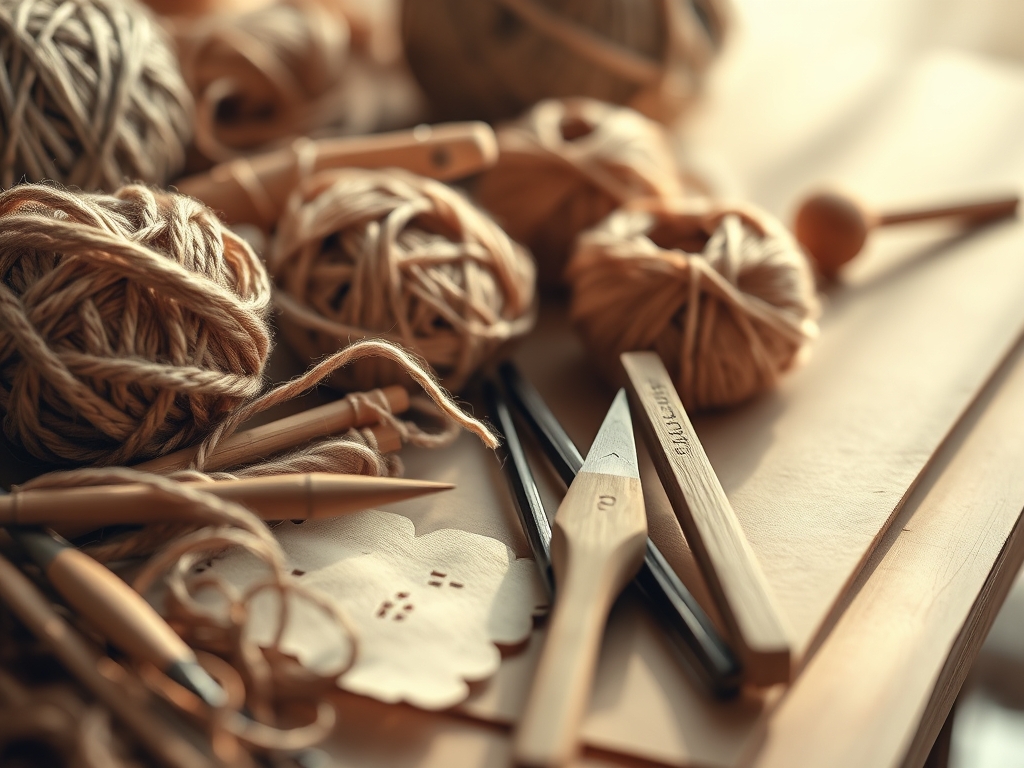
To master hand stitched doll making, your tool kit must be as precise as a surgeon's tray. You will need a set of milliner needles, which are longer and maintain a consistent diameter from eye to tip, allowing them to glide through multiple layers of fabric without snagging. A bone folder is essential for crisping your seams before you turn the limbs right side out. For the internal structure, use a high loft corn fiber or wool roving; wool is particularly excellent because its natural lanolin helps the fibers felt together over time, maintaining the doll's shape. You should also keep a pair of calipers handy to ensure the arms and legs are symmetrical to the millimeter.
Material Substitutions: If you cannot find heavy weight linen, a high quality pima cotton with a tight weave is a brilliant alternative. For those looking for a vegan option, bamboo felt offers a similar porous quality to wool without the animal byproduct. If a specific whimsical fabric is too thin, you can back it with a lightweight fusible interfacing to increase its structural integrity without sacrificing the aesthetic drape.
THE TEMPO
The "Maker's Rhythm" is a psychological state where the repetitive motion of the needle aligns with your heart rate. Hand stitched doll making is a slow craft. Expect to spend approximately four hours on the initial cutting and structural sewing. The stuffing phase is the most critical and time consuming, often taking three hours of incremental packing to ensure there are no air pockets or "cellulite" ripples in the fabric. Finally, the face embroidery and hair attachment require a focused five hour window. Total production time for a gallery quality doll usually spans twelve to fifteen hours. Respect the tempo; rushing the stuffing phase will lead to a limp doll that loses its posture within months.
THE CORE METHOD
1. Mapping the Grainline
Before the first cut, you must identify the warp and weft of your fabric. Align your pattern pieces so the greatest amount of vertical tension runs along the length of the doll's limbs. This prevents the fabric from overstretching when you pack it tight with fill.
Mastery Tip: This relies on the science of directional stability. By aligning the grain, you ensure that the mechanical stress of the stuffing is distributed evenly across the weave, preventing distorted seams.
2. The Ladder Stitch Closure
Once the doll is stuffed, you must close the turning gaps using a hidden ladder stitch. This involves taking small, parallel bites of fabric on either side of the opening, then pulling the thread taut to "zip" the seam shut.
Mastery Tip: This utilizes surface tension. When the thread is pulled, the raw edges are drawn inward into a state of compression, creating a seamless join that is mathematically stronger than a standard whipstitch.
3. Needle Sculpting the Features
To give the doll a soul, use a long doll needle to pull threads through the head from the back to the front eye sockets. This creates depth and "eye sinks" that catch the light.
Mastery Tip: This is an application of structural displacement. By compressing the internal fill at specific points, you are changing the density of the doll's "skull," which creates permanent shadows and highlights without the use of pigment.
4. Anchoring the Mane
When attaching hair made of mohair or yarn, use a backstitch along a center part. This ensures that even if a child pulls on a single strand, the friction of the interlocking loops will hold the fiber in place.
Mastery Tip: This works through frictional resistance. The more times the thread wraps around the hair fibers, the higher the "coefficient of friction," making it nearly impossible to pull the hair out during vigorous play.
THE TECHNICAL LEDGER
Maintenance & Longevity: To keep a hand stitched doll in pristine condition, avoid machine washing. The agitation can cause the internal fill to shift and clump. Instead, use a damp microfiber cloth for spot cleaning. If the doll becomes dusty, a low suction vacuum with a mesh screen over the nozzle will remove particulates without disturbing the fibers.
Material Variations:
- Sustainable: Organic hemp summer cloth offers incredible durability and a beautiful, rustic texture.
- Recycled: Upcycled cashmere sweaters provide a luxury "skin" feel that is unmatched for sensory play.
- Premium: Liberty of London Tana Lawn is the gold standard for doll clothing due to its silk like handle and ultra fine weave.
The Correction:
- The "Neck Wobble": If the head flops, insert a wooden dowel or a rolled piece of stiff felt into the neck column to act as a spine.
- Seam Pop: If a seam bursts during stuffing, you likely used a stitch length that was too long. Rip it back and use a short backstitch (1.5mm) for maximum reinforcement.
- Asymmetric Limbs: If one leg is fatter than the other, use a knitting needle to aggressively redistribute the stuffing from the inside rather than adding more.
Studio Organization: Store your whimsical fabrics in acid free tissue paper inside airtight polypropylene bins. This prevents UV degradation and protects the natural fibers from moth larvae or moisture.
THE FINAL REVEAL
The moment you snip the final thread, the doll transforms from a collection of technical components into a character with a personality. The tactile contrast between the smooth linen skin and the textured whimsical clothing creates a sensory experience that a plastic toy simply cannot replicate. You have used physics, geometry, and a bit of artistic soul to create a masterpiece. When you hand this to a child, you aren't just giving them a toy; you are giving them a handcrafted heirloom built to survive the beautiful chaos of childhood.
STUDIO QUESTIONS
What is the best fabric for a beginner doll maker?
A high quality cotton muslin or calico is best. It has a stable weave that does not slip, making it easier to maintain seam accuracy during the hand stitching process.
Why does my doll have lumps in the stuffing?
Lumps occur when you use large clumps of fill. To achieve a smooth finish, use small, marble sized pieces of stuffing and pack them tightly using a hemostat or a stuffing tool.
Can I use hot glue for the doll's hair?
Avoid hot glue for heirloom dolls. Adhesives can become brittle over time and snap. Hand sewing the hair provides a flexible, permanent bond that moves naturally with the doll.
How do I prevent the fabric from fraying?
Use a pair of pinking shears to cut your seam allowances. The zigzag edge breaks up the thread line, which significantly reduces the chance of the fabric unraveling under tension.
What thread is strongest for doll making?
A polyester corespun thread or an upholstery weight nylon thread is ideal. These provide the high tensile strength needed to withstand the pressure of tight stuffing without snapping.