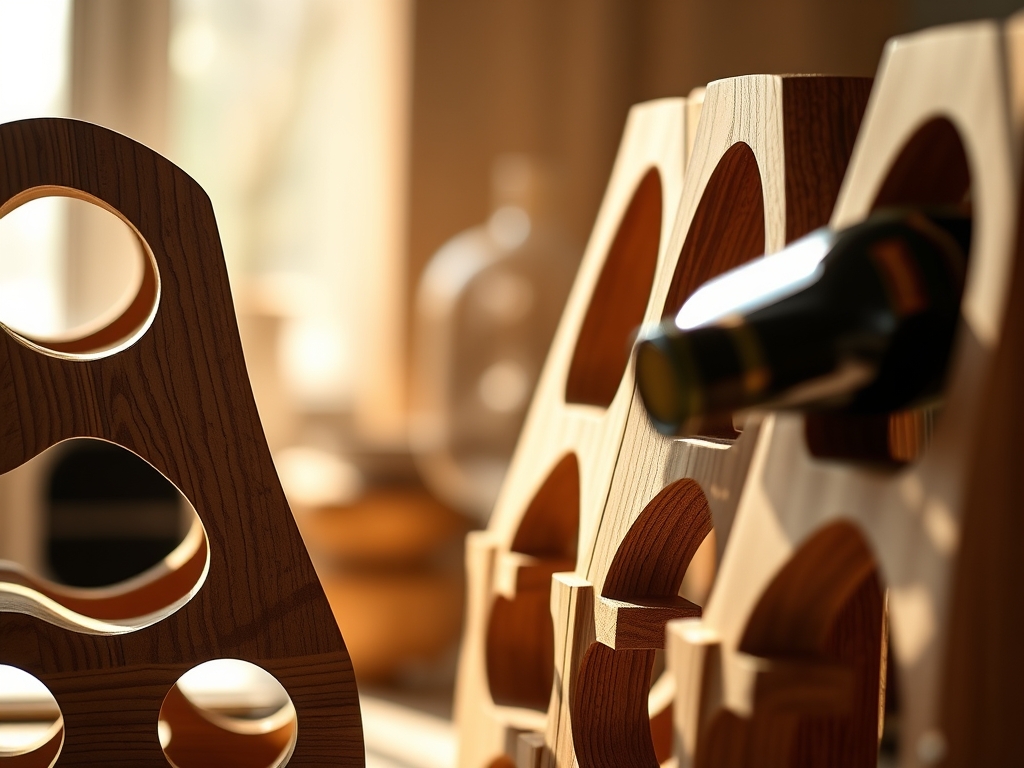
Close your eyes and listen to the sound of a chisel meeting the tight grain of white oak. It is a crisp, decisive snap that signals the birth of something permanent. When we talk about Custom Wood Wine Racks, we are not just discussing storage; we are mastering the physics of weight distribution and the chemistry of wood tannins. You can feel the oily residue of black walnut on your fingertips or the rough, thirsty texture of reclaimed barn wood. These materials have a memory. They react to the humidity in your cellar, expanding and contracting like a slow, wooden lung. To build for a home cellar, you must respect the tensile strength of your timber. A single bottle of Bordeaux weighs approximately three pounds, and when you stack forty of them, your joinery faces immense shear stress. We are going to dive into the grit and the sawdust to create structures that defy gravity while looking absolutely breathtaking. This is about the marriage of raw, rustic aesthetics and precision engineering. Let us get your hands dirty and your cellar stocked.
THE STUDIO KIT
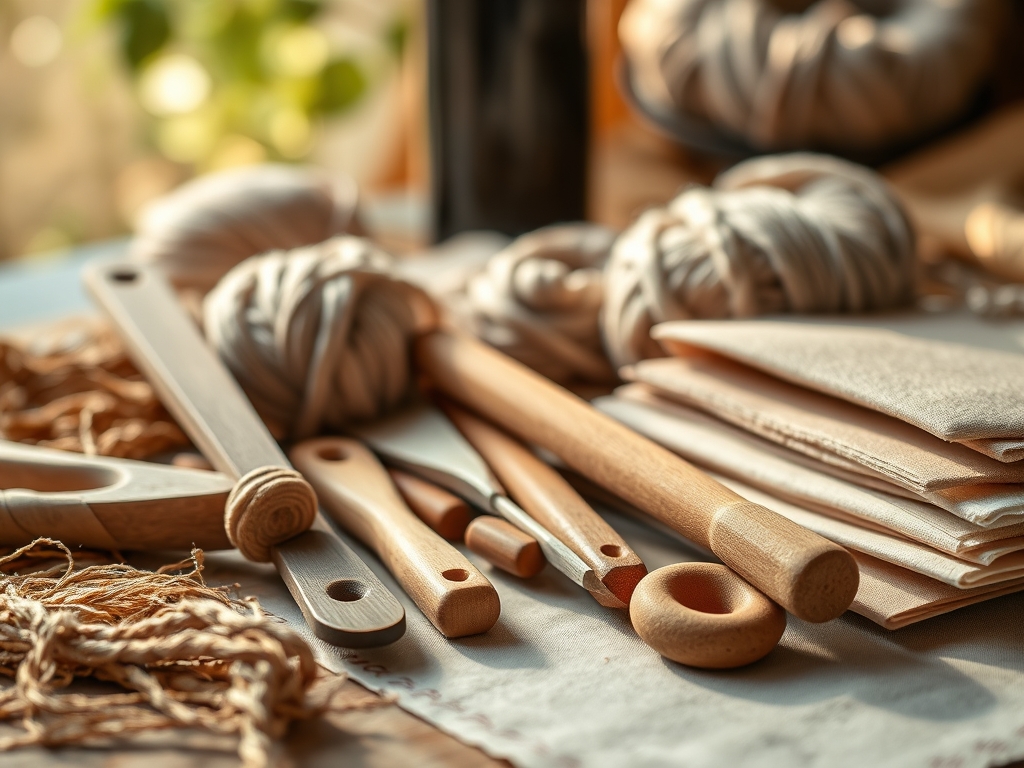
To execute these designs, you need more than a hammer. You need a curated selection of high precision instruments. Start with a digital caliper to measure bottle diameters; standard 750ml bottles vary more than you think. You will require an oscillating tool for intricate plunge cuts and a Japanese pull saw for flush trimming dowels without marring the surrounding surface. For the rustic finish, an awl is essential for marking pilot holes in dense hardwoods like hickory, which boasts a high Janka hardness rating. Your material list includes kiln dried lumber, 100 percent waterproof wood glue for cellar humidity, and galvanized steel hardware to prevent oxidation.
Material Substitutions: If black walnut is outside the budget, use thermally modified ash. It offers similar rot resistance and a deep, charred hue. Instead of solid copper rungs, consider burnished aluminum rods to maintain a high strength to weight ratio while reducing costs. For a truly sustainable approach, source "sinker cypress" recovered from riverbeds; its mineral saturation makes it nearly impervious to the damp environment of a subterranean cellar.
THE TEMPO
The "Maker's Rhythm" is a three act play. Phase one is the Acclimation Period, which takes 48 to 72 hours. You must allow your lumber to sit in the actual cellar environment so the moisture content stabilizes before you make a single cut. Phase two is the Precision Build, taking approximately 15 to 20 hours of active shop time. This is where the repetitive motion of sanding and drilling creates a meditative flow. Finally, phase three is the Curing Cycle. High quality wood finishes and adhesives require a full 7 days to off gas and reach maximum polymer cross linking. Do not rush the chemistry. If you load bottles onto a rack before the glue is fully cured, the joint may creep under the constant load.
THE CORE METHOD
1. The Live Edge Cantilever
Select a thick slab of black walnut with the bark removed to prevent insect infestation. Secure the slab to the wall using heavy duty steel brackets hidden behind the wood. Drill holes at a slight 15 degree upward angle using a Forstner bit to ensure the neck of the bottle sits lower than the base.
Mastery Tip: This angle utilizes gravitational equilibrium to keep the cork hydrated. When the wine stays in contact with the cork, it prevents oxygen ingress, which would otherwise oxidize your vintage and ruin the flavor profile.
2. The Reclaimed Timber Grid
Construct a classic lattice using half lap joints. This involves cutting notches halfway through two intersecting pieces of wood so they fit together flush. Use a router plane to ensure the bottom of each notch is perfectly flat for maximum surface area contact.
Mastery Tip: Maximizing the surface area for wood glue increases the shear strength of the joint. In a grid system, the weight is distributed across every intersection, preventing the bottom rail from bowing under the cumulative pressure.
3. The Industrial Pipe and Cedar Cradle
Combine 1/2 inch black iron pipes with rough hewn cedar planks. Use a hole saw to create apertures in the cedar, then thread the pipe through. The contrast between the cold metal and the warm, aromatic cedar creates a stunning visual.
Mastery Tip: Cedar contains natural thujone oils, which act as a biological deterrent for pests and fungi. This makes it the ideal candidate for damp cellar environments where mold spores might otherwise thrive on organic surfaces.
4. The Minimalist Floating Dowel
Insert heavy duty oak dowels into a backboard made of reclaimed heart pine. Use a bit brace for hand drilled precision. The dowels should be spaced exactly 3.5 inches apart to cradle the body of the bottle securely.
Mastery Tip: By using the same species for the dowel and the backboard, you ensure a uniform coefficient of thermal expansion. This means the pieces will grow and shrink at the same rate, preventing the dowels from loosening over time.
5. The Vertical Stave Stack
Repurpose old wine barrel staves by sanding them down to reveal the deep "wine stain" on the interior. Mount them vertically with custom notched "teeth" to hold the bottles by their necks.
Mastery Tip: Barrel staves are typically made of French or American oak, which has high vascular density. This density provides incredible structural integrity even when the wood is cut into thin, decorative strips.
6. The Geometric Hexagon Hive
Cut six identical pieces of cedar with 30 degree mitered ends. Join them to form a hexagon. Repeat this process and stack them like a honeycomb. Use a pneumatic brad nailer for quick assembly, then reinforce with glue.
Mastery Tip: The hexagon is the most structurally sound shape in nature. It provides triangulated support, meaning the weight of the top bottles is diverted through the side walls of the lower cells, minimizing vertical compression.
7. The Suspended Leather Sling
Attach thick, vegetable tanned leather strips to a sturdy oak frame using brass upholstery tacks. The leather should form a "U" shape to gently cradle the bottle.
Mastery Tip: Leather has high tensile elasticity. It will stretch slightly to conform to the specific shape of the bottle, increasing the friction coefficient and ensuring the bottle cannot slide out even if the rack is bumped.
THE TECHNICAL LEDGER
Maintenance & Longevity: Every six months, wipe down your Custom Wood Wine Racks with a food grade mineral oil. This prevents the wood from becoming "thirsty" and brittle in the dry air of a climate controlled cellar. Check the tension on any wall anchors to ensure the vibration of the home hasn't loosened the hardware.
Material Variations: For a premium upgrade, use African Mahogany for its chatoyancy and rot resistance. For a recycled option, use pallet wood, but ensure it is marked "HT" (Heat Treated) rather than "MB" (Methyl Bromide) to avoid introducing toxic chemicals into your home.
The Correction:
- The Wobble: If the rack is uneven, do not use shims. Instead, use a block plane to shave the long leg until the unit is level.
- The Split: If the wood splits during assembly, it is likely due to lack of pilot holes. Inject glue into the crack using a syringe and clamp it until cured.
- The Sag: If a shelf bows, reinforce the underside with a "stiffener" strip of wood glued perpendicular to the grain of the shelf.
Studio Organization: Store leftover lumber horizontally on a rack to prevent warping. Keep your adhesives in a cool, dark place to prevent the polymers from breaking down. Label your drill bits by gauge to save time during your next build.
THE FINAL REVEAL
Look at that. You have transformed a stack of raw lumber into a sophisticated, structural masterpiece. The way the light hits the grain of your Custom Wood Wine Racks creates a sense of depth that no store bought unit could ever replicate. It feels solid; it feels intentional. You have built a sanctuary for your collection where physics and art coexist. Every time you pull a cork, you will remember the smell of the sawdust and the weight of the tools in your hand. This is the maker's reward.
STUDIO QUESTIONS
Why is wood better than metal for wine storage?
Wood acts as a natural vibration dampener. Metal racks can transmit micro vibrations from home appliances, which disturb the sediment in wine. Wood absorbs these tremors, protecting the aging process and ensuring the chemical stability of your vintage.
How do I prevent mold on my custom racks?
Ensure your wood is sealed with a moisture resistant finish like tung oil or polyurethane. Maintain cellar humidity between 50 and 70 percent. Proper airflow is vital; leave a small gap between the rack and the wall to prevent stagnant air.
Can I use pine for a wine rack?
Yes, but choose high grade yellow pine for its superior load bearing capacity. Avoid cheap construction lumber, which has high sap content. Ensure it is kiln dried to a moisture level below 10 percent to prevent warping in the cellar.
What is the best joint for heavy wine racks?
The mortise and tenon joint is the gold standard. It provides a massive amount of internal surface area for glue bonding and mechanical interlocking. This ensures the rack can handle the lateral and vertical forces of a full collection.