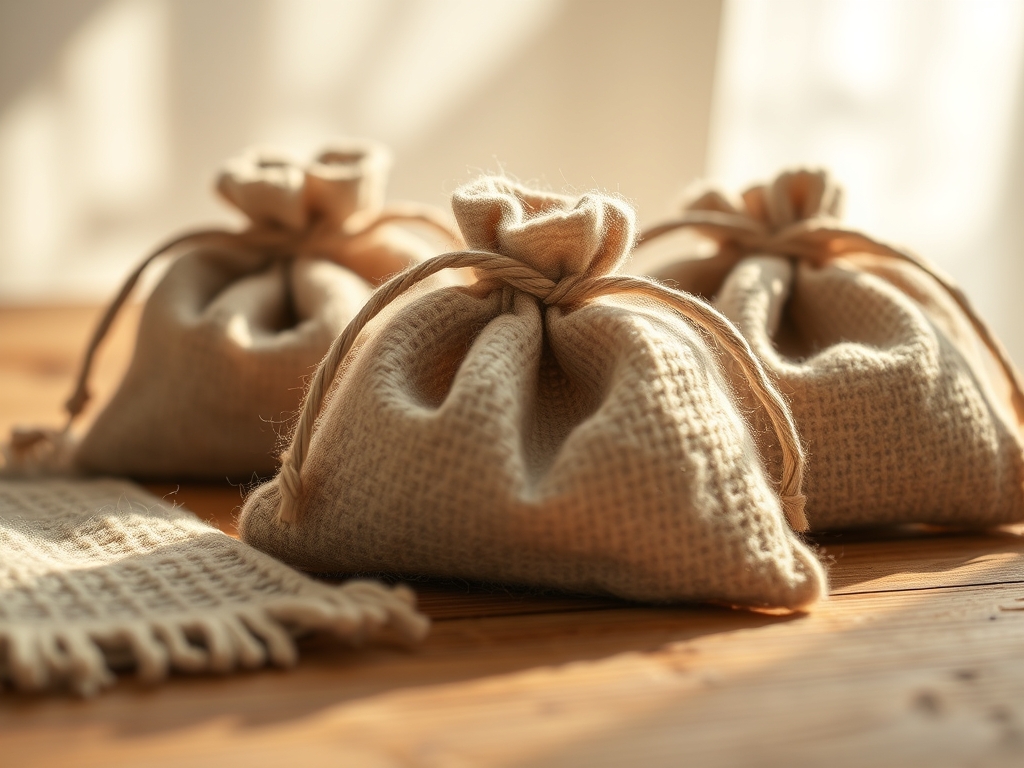
Imagine the resistance of a needle piercing through the tight weave of raw linen; it is a satisfying, rhythmic pop that signals the birth of something heirloom quality. When you are creating hand stitched sachet bags for a wedding, you are not just sewing fabric; you are building a pressurized vessel for scent. The tactile feedback of the fiber is everything. You can feel the difference between a cheap synthetic blend and a high density natural flax. Natural fibers possess a specific porous architecture that allows essential oils to migrate through the weave without losing their structural integrity. We are going for that perfect marriage of grit and grace. Your hands will feel the slight oily residue of dried lavender and the crisp, paper like snap of rose petals as you stuff each pouch. This is a sensory overload in the best way possible. We are engineering a memory that guests can hold in their palms. It is about the weight, the tension of the thread, and the way the botanical oils interact with the atmosphere of the room.
THE STUDIO KIT
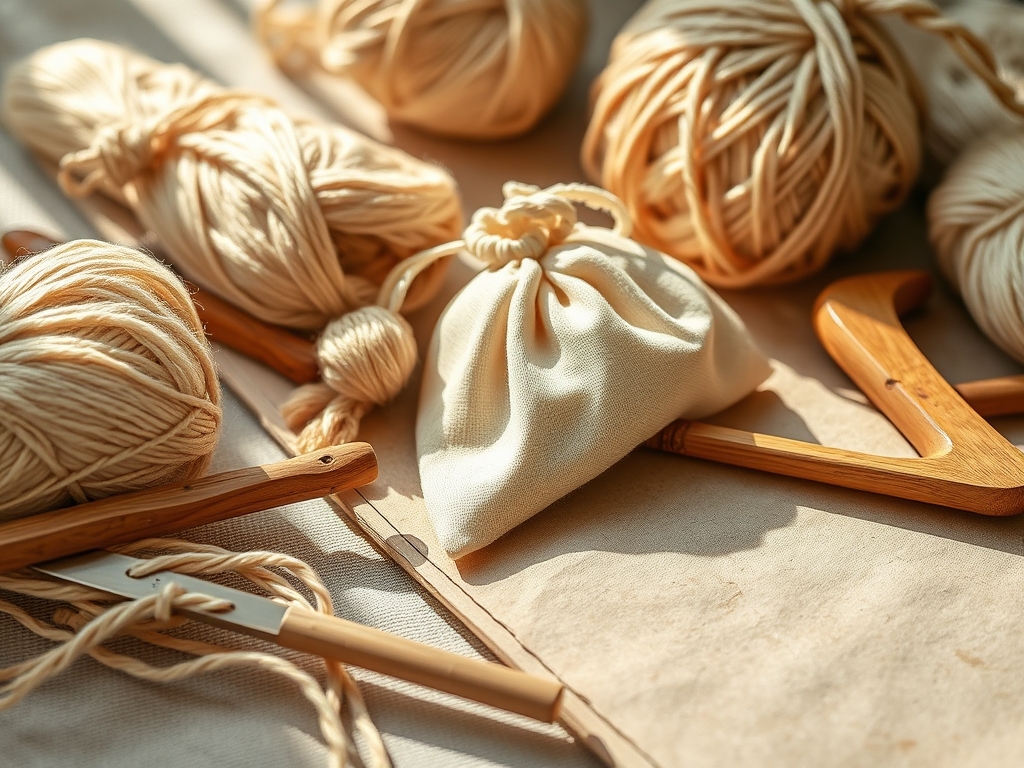
To execute this project with professional precision, you need a kit that respects the physics of the materials. We start with high-count linen or cotton muslin. These fabrics offer a balanced plain weave, which provides the necessary tensile strength to hold heavy botanicals without sagging. You will need a size 8 crewel needle, which features a long eye to accommodate thicker embroidery floss while maintaining a slender shaft to minimize hole size in the fabric. For the thread, choose a six-strand cotton floss or a silk twist; the silk offers superior luster and a higher breaking point under tension.
Precision cutting is non-negotiable. A rotary cutter paired with a self-healing mat ensures that every edge is perfectly square, preventing the grain of the fabric from shifting during the stitching process. You should also have a bone folder on hand to burnish your seams. This tool compresses the fibers, creating a crisp, permanent crease that makes your hand stitching significantly more accurate.
Material Substitutions: If you cannot source high-grade linen, a hemp summer cloth is an excellent sustainable alternative. It has a higher antimicrobial rating, which is beneficial for long-term botanical storage. For a premium upgrade, use dupioni silk, but be aware that its irregular slubs require a sharper, thinner needle to avoid snagging the delicate warp threads.
THE TEMPO
The "Maker's Rhythm" is a state of flow where your muscle memory takes over the technical execution. For a batch of fifty bags, you should categorize your time into three distinct phases to maximize efficiency. The Preparation Phase takes approximately two hours; this includes measuring, rotary cutting, and pressing your fabric blanks. Cutting against the grain is faster but can lead to fraying, so always align your ruler with the selvage.
The Stitching Phase is the heart of the project. Expect to spend about fifteen minutes per bag if you are using a decorative blanket stitch or a tight backstitch. This is where the cadence of the needle becomes hypnotic. Finally, the Assembly and Infusion Phase requires about one minute per bag. This involves the volumetric measurement of your dried florals and the final cinching of the closure. Total time investment for a standard wedding order is roughly fifteen to eighteen hours. By batching your tasks, you reduce the cognitive load of switching between tools, which keeps your stitches consistent and your energy high.
THE CORE METHOD
1. Preparing the Fabric Geometry
Measure and cut your fabric into 4 inch by 8 inch rectangles. Using your bone folder, fold the fabric in half to create a 4 inch square. The fold acts as the bottom of the bag, eliminating one seam and increasing the overall structural integrity of the pouch.
Mastery Tip: Always cut your fabric on the straight grain. This ensures that the longitudinal and transverse threads are perpendicular, preventing the bag from twisting or skewing once it is filled with the weight of the dried florals.
2. Executing the Side Seams
Thread your needle with three strands of floss. Begin a backstitch approximately one-quarter inch from the edge. This stitch is superior to a running stitch because it creates a continuous line of thread that reinforces the seam against the internal pressure of the packed botanicals.
Mastery Tip: Maintain consistent thread tension. If you pull too tight, the fabric will pucker due to the compression of the fibers; if you leave it too loose, the fine dust from the dried florals will leak through the gaps in the weave.
3. Selecting the Botanical Core
Choose your dried florals based on their oil density and longevity. For a classic wedding scent, use a blend of French Lavender, crushed Rose Petals, dried Calendula, Lemon Verbena, and Cedar shavings. The cedar acts as a fixative, slowing the evaporation of the lighter floral notes.
Mastery Tip: Use a volumetric funnel to fill your bags. This prevents the delicate, brittle petals from being crushed into dust, which preserves the "loft" inside the bag and allows for better air circulation and scent throw.
4. The Final Structural Closure
Once filled, fold the top edges inward by a quarter inch and pin them. Use a ladder stitch (also known as an invisible stitch) to close the top. This creates a clean, professional finish where the thread is hidden within the folds of the fabric.
Mastery Tip: Capillary action can draw oils from the botanicals into the thread. By using a waxed thread or running your floss through a bit of beeswax, you create a moisture barrier that prevents the scent oils from staining the exterior of the bag.
THE TECHNICAL LEDGER
Maintenance & Longevity: To keep these sachets potent, tell your guests to "massage" the bag every few weeks. This physical agitation breaks the cell walls of the dried botanicals, releasing a fresh burst of essential oils. Avoid placing them in direct sunlight, as UV rays degrade the organic compounds and fade the fabric dyes.
Material Variations:
- Sustainable: Organic bamboo linen with recycled cotton thread.
- Premium: Hand-dyed velvet with gold metallic filament thread.
- Recycled: Repurposed vintage lace tablecloths reinforced with a fine mesh lining.
The Correction:
- The Leak: If petals are escaping, your stitch length is too long. Fix this by adding a secondary row of stitching or using a "felled seam" technique.
- The Pucker: If the bag looks wrinkled along the seam, your tension is too high. Use a seam ripper to open it and re-stitch with a more relaxed hand.
- The Scent Fade: If the aroma is weak, the florals may be old. Boost the potency by adding two drops of high-grade essential oil to a cotton ball and burying it in the center of the floral mix.
Studio Organization: Store your completed bags in an airtight glass carboy or a galvanized steel bin. Plastic containers can off-gas and alter the chemical profile of the floral scents. Keep the storage container in a cool, dark environment to preserve the chemical stability of the botanical terpenes.
THE FINAL REVEAL
There is nothing quite like seeing a finished basket of hand stitched sachet bags ready for a wedding. They look like little pillows of luxury. The way the linen softens under your touch, combined with the complex, earthy aroma of the botanicals, creates a high-end artisanal vibe that no factory-made favor could ever replicate. When you hold one, you feel the weight of the craftsmanship. The stitches are even, the fabric is taut, and the scent is a sophisticated invitation to a beautiful memory. You have essentially engineered a tiny, fragrant piece of art.
STUDIO QUESTIONS
What is the best fabric for hand stitched sachet bags?
Natural linen is the gold standard due to its porous weave and high tensile strength. It allows for maximum scent diffusion while remaining durable enough to withstand the abrasive nature of dried botanical stems and seeds.
How do I prevent my thread from tangling?
Run your thread through a beeswax conditioner before stitching. This coats the fibers, reducing friction as the thread passes through the fabric. It also increases the thread's longevity by protecting it from environmental moisture and oxidation.
Can I use fresh flowers instead of dried?
No, fresh flowers contain high moisture levels which will lead to mold and bacterial growth within the sealed bag. Always use botanicals that have been properly dehydrated to a moisture content of less than ten percent.
How many sachets can I make from one yard of fabric?
Using a standard 45-inch wide bolt, you can yield approximately 20 to 22 bags measuring 4×4 inches. This calculation accounts for a quarter-inch seam allowance and minimal waste when using a professional rotary cutter and grid.
What is the most durable stitch for this project?
The backstitch is the most durable option. Unlike the running stitch, each stitch overlaps the previous one, creating a continuous internal structure that prevents the seam from unraveling even if a single thread is compromised.