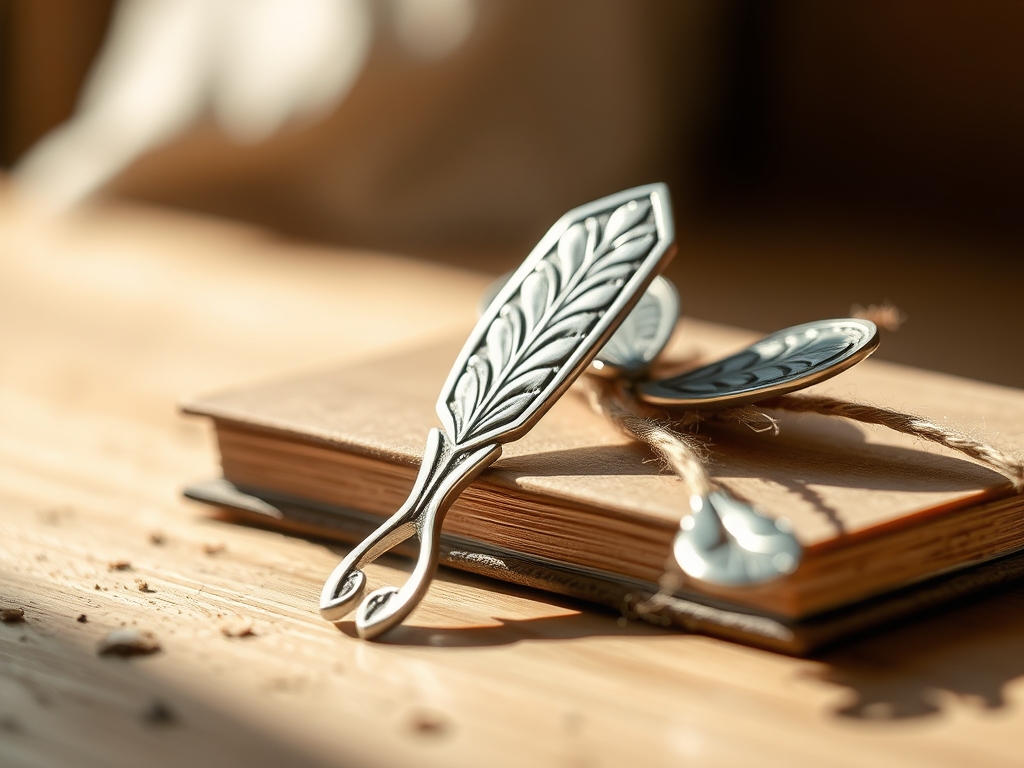
Imagine the sharp, metallic scent of fresh sterling silver meeting the earthy, cedar notes of a well worn library. There is a specific kind of magic in the weight of a thin metal sliver resting against cream colored paper. When you design Custom Silver Bookmark Gifts, you are not just making a trinket; you are engineering a tactile bridge between the physical world and the imagination. The silver must be thin enough to avoid warping the book spine, yet possess enough tensile strength to resist bending under the pressure of a tightly packed shelf. We are looking for that perfect balance of 22 gauge thickness, where the metal feels substantial but remains sleek. As your fingers trace the cool, polished surface, you realize this is about the physics of permanence. Every curve you file and every edge you burnish contributes to a piece of jewelry for a story. Let us get into the grit of the studio, where we turn raw sheets of precious metal into seven elegant, functional silhouettes that will outlast the very books they inhabit.
THE STUDIO KIT
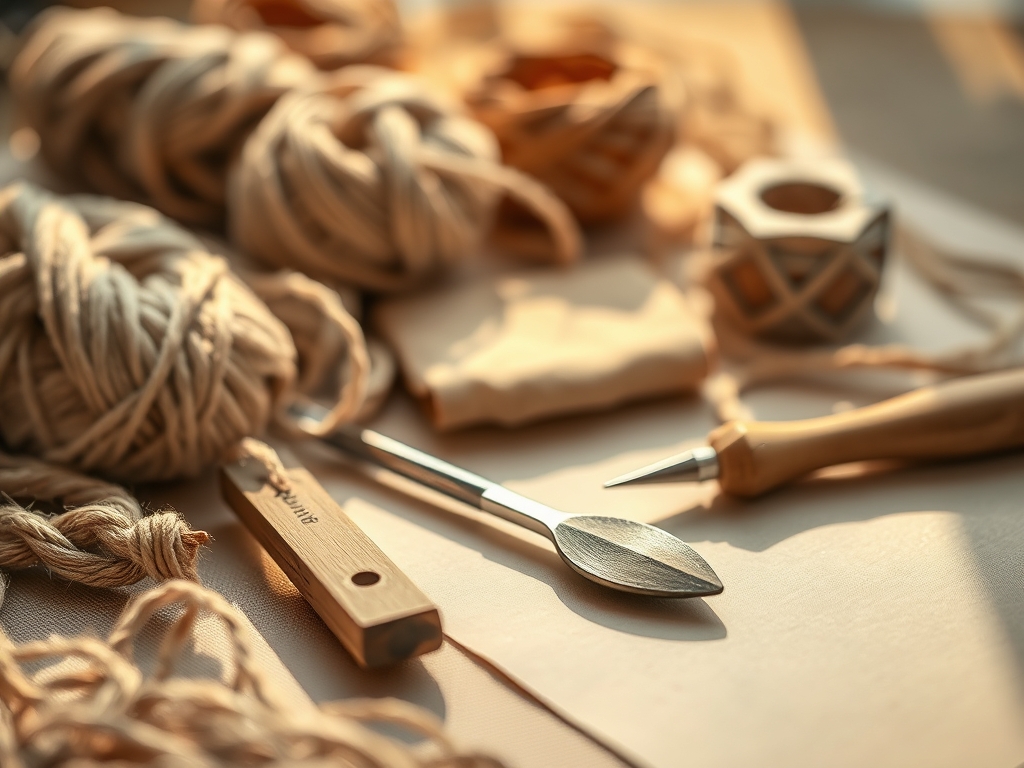
To execute these designs with professional precision, your workbench needs a specific set of high performance tools. We start with dead-soft sterling silver sheets or strips, typically 0.6mm to 0.8mm thick. You will need a jeweler's saw with 4/0 blades for intricate interior cuts, as the fine teeth allow for a smaller kerf and smoother finish. A set of needle files in various profiles (half-round, flat, and crossing) is essential for refining the silhouette. For the final mirror shine, we use silicon polishing wheels and a rotary tool, followed by a high quality rouge compound.
Material Substitutions: If sterling silver is outside the current budget, nickel silver or alkeme offers a similar aesthetic with high durability. These base metals have a higher Vickers hardness, meaning they are more difficult to saw but hold their shape exceptionally well. For a sustainable twist, you can upcycle vintage silver plated cutlery, though you must account for the varying alloy composition which may affect how the metal responds to heat if you choose to solder decorative elements.
THE TEMPO
Creating a suite of Custom Silver Bookmark Gifts requires a disciplined "Maker's Rhythm." This is not a project you rush; it is a sequence of mechanical vibrations and steady hand-eye coordination. The Design and Transfer phase takes roughly 20 minutes per shape as you scribe your patterns onto the metal. The Cutting phase is the most intensive, requiring 30 to 45 minutes of focused sawing to ensure the blade does not wander or snap.
The Refining phase takes another 30 minutes, where you remove the "witness marks" left by the saw. Finally, the Polishing phase is a 15 minute sprint to achieve that high luster. Total time per bookmark averages 1.5 to 2 hours. The rhythm is found in the steady, vertical stroke of the saw and the rhythmic "shush" of the file. If you rush the tempo, you risk work-hardening the metal prematurely, leading to brittle edges that might snap.
THE CORE METHOD
1. The Classic Tapered Quill
This shape mimics the elegance of an old world writing instrument. Start by scribing a long, slender triangle with a slightly flared top. Use your jeweler's saw to cut the profile, keeping the blade lubricated with beeswax to reduce friction.
Mastery Tip: Understand work hardening. As you file the edges, the molecular structure of the silver compresses, making it stiffer. This is beneficial for a quill shape as it prevents the narrow tip from bending during use.
2. The Geometric Art Deco Clip
Focus on sharp angles and internal cutouts. Use a center punch and a drill press to create a starting hole for your saw blade. This allows you to cut out "windows" within the silver sheet without breaking the outer perimeter.
Mastery Tip: When cutting internal voids, the structural integrity of the frame is paramount. Ensure no "neck" of metal is thinner than 1.5mm to prevent the piece from snapping under lateral stress.
3. The Botanical Fern Frond
This design requires high dexterity. Use a fine-point awl to scratch delicate leaf veins into the surface. The silhouette should be organic and flowing, utilizing the natural curves of the metal.
Mastery Tip: Use capillary action if you decide to add small silver beads (granulation) to the frond. When the solder reaches its flow point, it will naturally pull the bead into the join, creating a seamless, organic connection.
4. The Minimalist Shepherd's Hook
A simple, elegant curve that hooks over the top of the spine. Use a nylon-headed hammer and a steel mandrel to shape the hook without marring the polished surface.
Mastery Tip: The radius of the curve must be calibrated to the average book thickness. A curve that is too tight will pinch the paper fibers, causing permanent indentations in the pages.
5. The Celestial Crescent
A moon shape that sits flush against the page. Use a dividers tool to scribe two overlapping circles for a perfect, symmetrical crescent.
Mastery Tip: Pay attention to surface tension during the final polish. A perfectly flat, polished surface can sometimes "suction" onto glossy paper; adding a slight texture to the back can break this tension and make the bookmark easier to slide.
6. The Architect's Ruler
A rectangular form with etched measurement markings. Use a square to ensure 90-degree corners and a rotary tool with a diamond bit for the engraving.
Mastery Tip: Engraving removes material, which can create stress risers. Ensure your etchings are shallow enough that they do not compromise the overall strength of the silver strip.
7. The Victorian Monogram Shield
A classic heraldic shape featuring custom initials. This requires the most advanced sawing, as the letters must be legible and balanced.
Mastery Tip: Use a burnisher to "smear" the metal at the edges of your cuts. This creates a rounded, ergonomic edge that feels soft to the touch, preventing the silver from acting like a blade against delicate paper.
THE TECHNICAL LEDGER
Maintenance & Longevity: Silver naturally oxidizes when exposed to sulfur in the air. To maintain Custom Silver Bookmark Gifts, provide a small polishing cloth treated with an anti-tarnish agent. For long term storage, use acid-free tissue paper to prevent "silver rot" or pitting caused by moisture trapped against the metal.
Material Variations: For a premium feel, use 950 Argentium silver. It contains germanium, which significantly increases tarnish resistance and allows for "fusing" without the need for solder. For a sustainable approach, source "Eco-Silver" which is 100% recycled and refined to the same purity as mined sterling.
The Correction:
- The Snap: If a thin part of the design breaks, do not use glue. Use a butane torch and hard solder to create a molecular bond.
- The Scratch: Deep gouges from a slipped file are fixed by "stepping down" through sandpaper grits (200, 400, 600) before re-polishing.
- The Warp: If the metal twists, place it between two leather-faced mallet blocks and strike firmly to flatten without marking.
Studio Organization: Store your silver sheets in airtight poly-bags with anti-tarnish strips. Keep your files in a vertical rack so the teeth do not rub against each other, which dulls the cutting surface.
THE FINAL REVEAL
There is nothing quite like the moment you drop a finished, mirror-polished silver piece onto a page. It catches the light, reflecting the text back at you in a distorted, beautiful gleam. These Custom Silver Bookmark Gifts are more than just placeholders; they are ergonomic tools designed to celebrate the weight of words. Your friend will feel the heft, the smooth edges, and the intentional design every time they return to their favorite chapter. You have successfully turned a cold, industrial sheet of metal into a warm, personal heirloom through the power of physics and craft.
STUDIO QUESTIONS
What is the best silver thickness for bookmarks?
The ideal thickness is 22 gauge (0.64mm). This provides enough tensile strength to prevent bending while remaining thin enough to avoid straining the book's binding or creating a permanent gap between the pages.
How do I prevent the silver from tarnishing?
Keep the silver dry and store it with anti-tarnish tabs. For active use, frequent handling actually helps; the natural oils from your hands provide a slight protective barrier, while the friction against pages acts as a gentle, continuous polish.
Can I use a laser cutter for these designs?
Yes, a fiber laser can cut sterling silver with extreme precision. However, it leaves a burr that still requires manual filing and burnishing to ensure the edges do not damage the delicate paper fibers of the book.
Why did my silver turn black during soldering?
This is firescale, caused by oxygen reacting with the copper content in sterling silver at high temperatures. To fix it, soak the piece in a warm acid pickle solution to strip the copper oxides from the surface.
How do I make the bookmark "grip" the page?
Adjust the spring tension by slightly over-bending the metal and then "setting" it. By work-hardening the bend with a nylon hammer, you create a mechanical memory that allows the silver to clip securely without slipping.