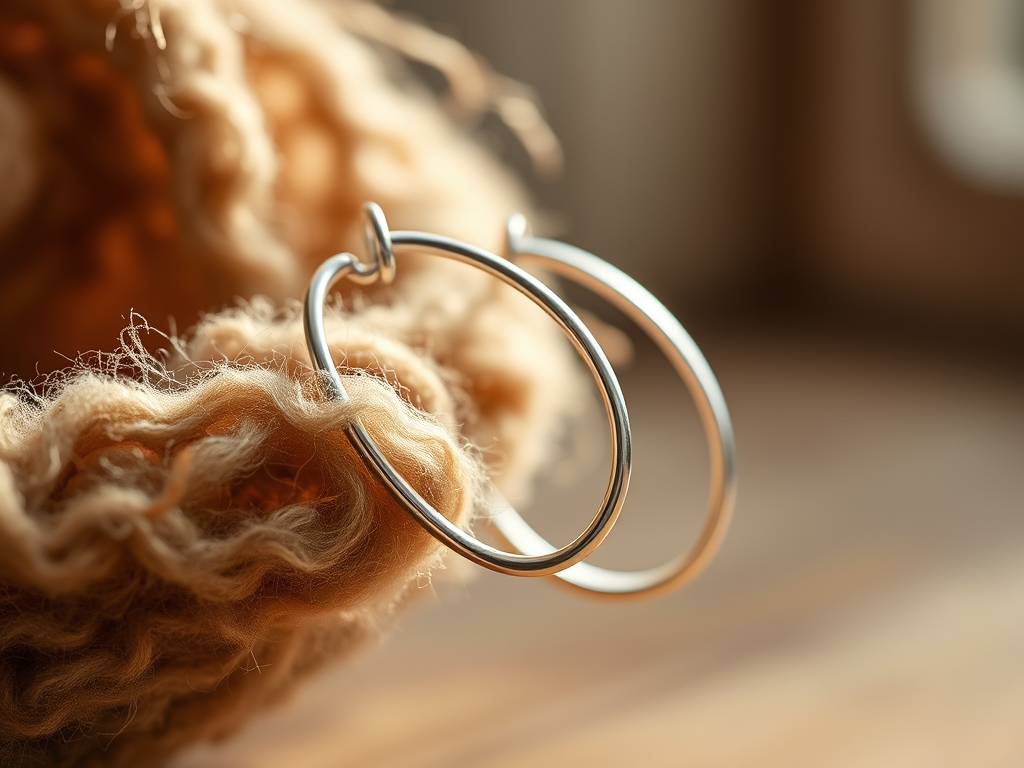
Imagine the sharp, metallic scent of cold sterling silver meeting the warmth of your fingertips as you prepare to transform raw wire into wearable art. There is a specific, grounded weight to high quality metal that demands respect. When you are designing custom silver hoop earrings, you are not just making jewelry; you are manipulating the molecular structure of an alloy to catch the light in a thousand different ways. The tactile thrill of a smooth, polished surface is undeniable, but the real magic happens when you introduce texture. We are talking about the difference between a simple circle and a statement piece that vibrates with personality. As we dive into these seven finishes, remember that silver is a soft, ductile metal with high thermal conductivity. This means it responds beautifully to every strike of your hammer and every pass of your file. We are going to harness that malleability to create something that feels as good as it looks. Grab your safety glasses and let us get into the grit of the studio.
THE STUDIO KIT
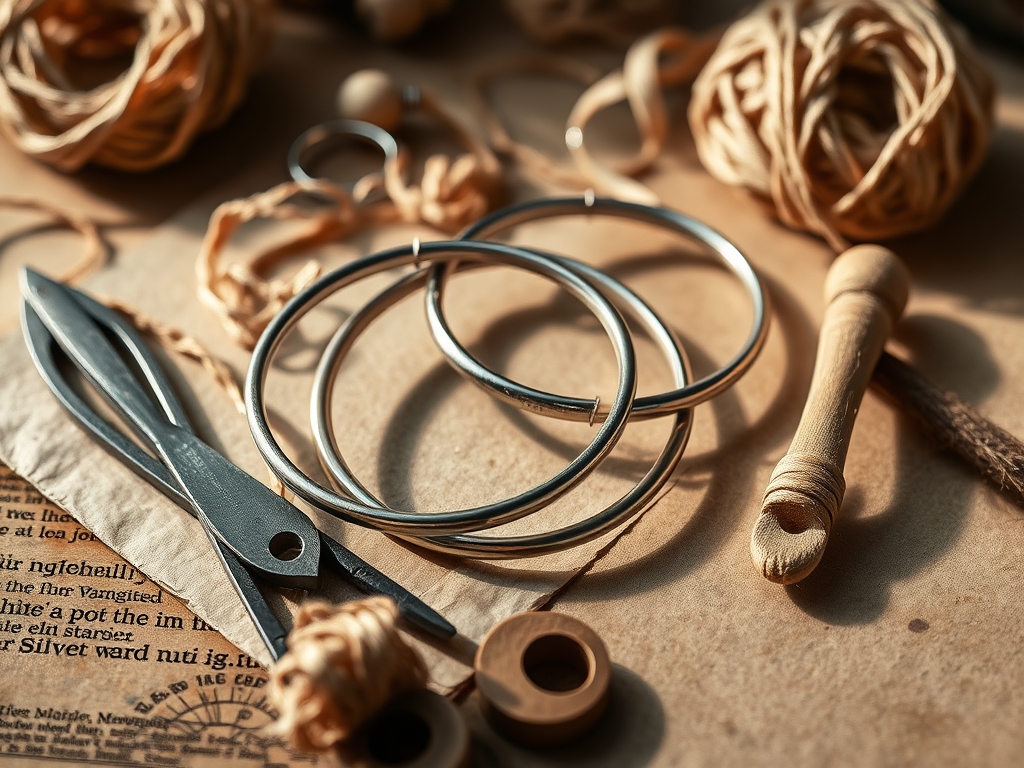
To master these finishes, your workbench needs more than just a pair of pliers. You need tools that allow for precision and repeatable force. Start with 925 Sterling Silver wire, preferably in a 16 or 18 gauge for structural integrity. You will need a jeweler's saw with 4/0 blades for clean cuts and a steel bench block to provide a high density rebound surface for hammering. For the texturing itself, gather a chasing hammer, a rawhide mallet, and a set of needle files with varying grit levels. A flex shaft or rotary tool with assorted burs and polishing wheels will be your best friend for achieving high shine or satin looks.
If you are looking for material substitutions, you can practice these techniques on dead-soft copper or brass wire. These metals have similar tensile strength profiles but are significantly less expensive, making them perfect for testing the "strike" of a new hammer. However, keep in mind that copper oxidizes much faster than silver, so your finish might change color during the process. Always have a digital caliper on hand to ensure your hoop diameters are perfectly symmetrical; precision is what separates amateur work from professional custom silver hoop earrings.
THE TEMPO
The "Maker's Rhythm" is all about managing the work-hardening of the metal. Silver becomes brittle as you manipulate it, so you must pace your project to avoid snaps or cracks. The initial shaping and cutting phase usually takes about fifteen minutes per pair. The texturing phase is where you find your flow; expect to spend twenty to thirty minutes per finish as you build a consistent pattern.
Finally, the finishing and polishing stage requires a slow, steady hand for about twenty minutes. Total production time for a professional pair is roughly one hour. If you feel the metal getting too "springy" or resistant, that is your cue to stop and perform an annealing cycle with a torch to relax the grain structure. Respect the tempo of the silver, and it will cooperate with your vision.
THE CORE METHOD
1. The Classic Planished Ripple
This finish uses the flat face of a chasing hammer to create overlapping facets. By striking the silver against the steel block, you are increasing the surface area and hardening the metal simultaneously. This creates a shimmering, mirror like effect that reflects light from multiple angles.
Mastery Tip: Always strike with a glancing blow rather than a direct vertical hit. This encourages the metal to spread laterally without thinning the gauge too aggressively, maintaining the hoop's structural integrity.
2. The Cross-Hatched Industrial
Use a fine-tooth needle file or a specialized texturing hammer to create intersecting linear grooves. This finish is tactile and rugged, perfect for a modern aesthetic. It hides scratches well, making it ideal for daily wear.
Mastery Tip: To keep lines crisp, use a marking gauge to scribe your primary axes before filing. This ensures the geometric pattern remains consistent across the entire circumference of the hoop.
3. The Salt-Pitted Organic
Achieve this by "distressing" the silver with a coarse grit sandblasting medium or a heavy duty steel wool. It creates a matte, porous appearance that looks like weathered stone. It is a sophisticated, understated look that pairs beautifully with minimalist outfits.
Mastery Tip: This finish relies on surface tension during the final cleaning phase. Ensure all micro-debris is removed using an ultrasonic cleaner to prevent skin irritation from trapped particles.
4. The High-Point Burnish
After creating a rough texture, use a steel burnisher to flatten only the highest peaks of the metal. This creates a contrast between deep, dark recesses and brilliant, shiny highlights. It adds incredible depth to the custom silver hoop earrings.
Mastery Tip: Use a drop of lubricant (like wintergreen oil) on your burnisher. This reduces friction and allows the tool to "glide" over the silver, compressing the molecules into a high shine without scratching the surface.
5. The Florentine Scribe
This involves using a multi-line graver to cut tiny, parallel grooves into the surface. It mimics the look of fine fabric or silk. It is a high-level technique that requires a steady hand and a sharp tool.
Mastery Tip: Control your kerf (the width of the cut) by maintaining a consistent 15-degree angle with your graver. If the angle is too steep, the tool will dig in and stall; too shallow, and it will skidding across the surface.
6. The Stippled Galaxy
Using a sharp awl or a diamond-point bit in your rotary tool, create thousands of tiny indentations. This creates a "sparkle" effect that mimics pavé diamonds without the need for stones. It is incredibly labor-intensive but visually stunning.
Mastery Tip: Work in a circular motion from the center of the wire outward. This manages the displacement of mass evenly, preventing the hoop from warping or becoming elliptical under the pressure of the stippling.
7. The Sand-Cast Rawness
This finish mimics the grainy texture of sand casting. You can achieve this by using a coarse-grit rotary drum or by "rolling" the silver through a rolling mill with a piece of heavy-duty sandpaper. It feels ancient and handcrafted.
Mastery Tip: When using a rolling mill for texture, always use annealed metal. The softened grain structure will take the impression of the sandpaper more deeply, resulting in a more pronounced and durable texture.
THE TECHNICAL LEDGER
Maintenance & Longevity:
Sterling silver is prone to tarnishing due to a reaction with sulfur in the air. To maintain these finishes, store your hoops in airtight bags with anti-tarnish strips. For textured surfaces, avoid using polishing cloths which can flatten your hard-earned peaks; instead, use a soft-bristled toothbrush with mild soap to reach into the crevices.
Material Variations:
For a sustainable edge, source recycled 925 silver. It possesses the same chemical properties as mined silver but with a lower environmental footprint. If you want a premium feel, consider Argentium silver, which contains germanium and is highly resistant to firescale and tarnish.
The Correction:
- The Over-Thinning: If you hammer too hard and the wire becomes too thin, you cannot "un-stretch" it. Fix: Incorporate the thinness into a "tapered" design by mirroring the effect on the other side.
- The Scuff: A deep accidental scratch can ruin a satin finish. Fix: Use a burnishing tool to "heal" the scratch by pushing the surrounding metal back into the groove before re-texturing.
- The Warp: Hammering can cause the hoop to lose its circle. Fix: Place the hoop back on a mandrel and gently tap it with a rawhide mallet to restore the shape without marring the texture.
Studio Organization:
Keep your texturing hammers separate from your polishing hammers. Even a tiny speck of grit on a hammer face will transfer to your silver. Store your wire in coils categorized by gauge and temper to prevent accidental use of "half-hard" wire when you need "dead-soft."
THE FINAL REVEAL
There is nothing quite like the moment you drop a finished pair of custom silver hoop earrings into an ultrasonic cleaner and watch the polishing compound cloud away to reveal your handiwork. The textures we have explored today turn a simple accessory into a tactile experience. Whether you chose the aggressive sparkle of the Galaxy finish or the quiet elegance of the Florentine scribe, your earrings now have a "soul" that factory-made jewelry simply lacks. They catch the light as you move, and they feel substantial against your skin. You have mastered the physics of silver; now go out there and wear your art with pride.
STUDIO QUESTIONS
How do I prevent my silver hoops from bending?
Use work-hardening techniques like hammering or tumbling. This realigns the metallic crystals into a more rigid structure, increasing the yield strength of the silver so the hoops maintain their shape during daily wear and removal.
What is the best way to clean textured silver?
Use an ultrasonic cleaner or a soft toothbrush with diluted dish soap. Avoid thick polishing pastes that can clog the recessed textures and dull the contrast of your custom silver hoop earrings over time.
Can I add texture to gold-filled wire?
You must be extremely careful. Gold-filled wire has a thick outer layer of gold, but aggressive texturing or deep filing can cut through to the brass core. Stick to light planishing or soft-grit sanding to preserve the gold layer.
Why did my silver snap while I was hammering?
The metal likely became over-hardened and brittle. To prevent this, you must periodically anneal the silver with a torch to "reset" the molecular structure, making it ductile enough to withstand further manipulation without fracturing.