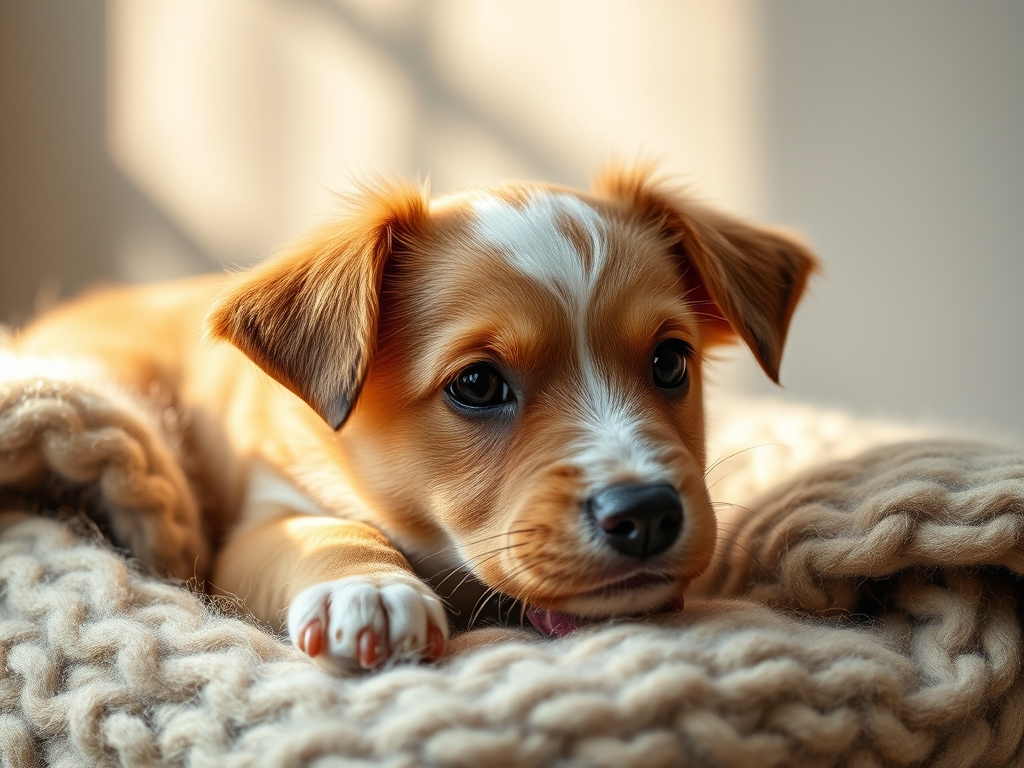
The scent of cold-pressed cotton paper hitting a humid studio desk is better than a double shot of espresso. You can feel the tooth of the paper under your fingertips; that subtle, irregular texture is actually a microscopic landscape of interlaced cellulose fibers designed to trap pigment. When we dive into Personalized Pet Portraits, we are not just painting a cute face; we are engineering a visual legacy using fluid dynamics and light refraction. The goal is to capture the specific sheen of a golden retriever's coat or the sharp, glassy depth of a cat's iris. You need to understand how the water tension interacts with the sizing of your paper to prevent warping. If the paper is too thin, the tensile strength fails under heavy washes. If it is too thick, the pigment might sit on the surface without penetrating the core. We are looking for that sweet spot where ink meets fiber in a permanent, beautiful bond that screams personality and professional craft.
THE STUDIO KIT
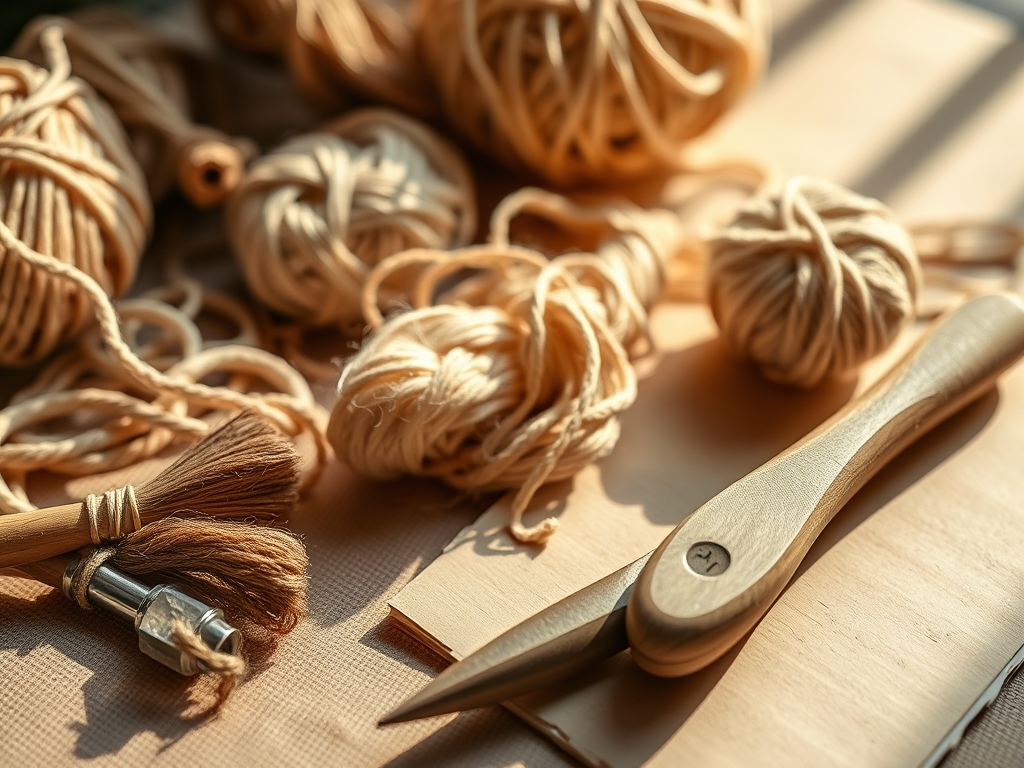
To master these eight styles, your workstation needs to be a temple of precision. Start with 300gsm cold-pressed paper; the high grammage ensures the paper can withstand multiple saturation cycles without buckling. For the ink styles, you will need a range of technical fineliners (0.05mm to 0.8mm) and a traditional crowquill nib for variable line weight. The watercolor portion requires professional-grade pans with high pigment density; cheap fillers will result in a chalky finish that lacks lightfastness.
Material Substitutions: If you cannot find high-end cotton paper, a heavy-duty mixed media paper works, provided you pre-stretch it to manage the expansion coefficient of the fibers. Instead of expensive masking fluid, you can use a wax resist or even a sharpened piece of paraffin to preserve the highlights in the fur. For fine details, a jeweler's saw is overkill, but a precise rotary cutter can help you trim your finished edges with surgical accuracy.
THE TEMPO
Creating Personalized Pet Portraits is a marathon of chemistry and patience. The "Maker's Rhythm" is divided into three distinct phases. First is the Structural Mapping (30 to 60 minutes), where you use a hard lead pencil (4H) to ghost in the anatomy without damaging the paper's surface. Next is the Saturation Phase (2 to 4 hours), where the bulk of the pigment is applied. This requires a rhythmic "wait and watch" approach to monitor the evaporation rate. Finally, the Definition Phase (1 hour) involves dry-brushing and fine-line inking. Total time per portrait usually lands between 4 and 7 hours, depending on the complexity of the fur texture.
THE CORE METHOD
1. The Architectural Sketch
Start by mapping the skull structure. Use a bone folder to lightly mark your margins without scoring the paper. Understanding the underlying skeletal frame ensures the eyes are perfectly symmetrical. Mastery Tip: Use a 4H pencil to maintain structural integrity; the harder lead prevents graphite smearing, which can muddy your watercolor washes later.
2. The First Hydration
Apply a clear water wash to the areas where you want soft transitions. This is the wet-on-wet technique. Watch for the "satin sheen" on the paper surface. Mastery Tip: This relies on capillary action. The water acts as a transport mechanism, pulling the pigment into the pores of the paper for a seamless, ethereal background.
3. Layering the Mid-Tones
Once the first layer is "bone dry" to the touch, start building the local color of the pet. Use a mop brush for large areas. Mastery Tip: This is about refractive index. By layering thin, transparent glazes, light passes through the paint and reflects off the white paper, creating a glow that opaque paints cannot replicate.
4. Negative Space Fur Carving
Instead of painting every hair, paint the shadows between the clumps of fur. This creates depth and volume. Mastery Tip: This utilizes visual gestalt. The human eye fills in the highlights if the surrounding shadows are anatomically correct and follow the grain direction of the coat.
5. The Ink Definition
Switch to your technical pens to add sharp details to the nose and claws. Use a caliper if you need to double-check the proportions from your reference photo. Mastery Tip: The ink must be pigment-based and waterproof. This ensures that if you decide to add a final "splash" of color, the sharp lines will not bleed or feather into the surrounding fibers.
6. The Glint in the Eye
The "soul" of the portrait is the catchlight in the eye. Use a tiny drop of white gouache or a stylus to scratch away a tiny bit of pigment. Mastery Tip: This creates a specular highlight. The high contrast between the dark pupil and the bright white dot simulates the curvature of a wet cornea.
THE TECHNICAL LEDGER
Maintenance & Longevity: To ensure your Personalized Pet Portraits last for decades, always use acid-free materials. Acidic paper will yellow and become brittle over time due to lignin breakdown. Frame the piece behind UV-protective glass to prevent the organic pigments from fading under solar exposure.
Material Variations:
- Sustainable: Use bamboo or hemp-based papers which offer high tensile strength with a lower environmental footprint.
- Premium: Opt for honey-based watercolors. The humectant properties of honey allow for smoother re-wetting and a higher pigment-to-binder ratio.
The Correction:
- The Over-Saturation: If you add too much water and the paper "puddles," use a dry natural sea sponge to lift the excess vertically. Do not scrub, or you will destroy the surface sizing.
- The Bleed: If ink runs into a wet area, wait for it to dry completely, then use a sand eraser to gently abrade the surface fibers and remove the pigment.
- The Warping: If the paper curls, turn it face down on a clean surface, lightly mist the back with distilled water, and place it under a heavy flat board for 24 hours to re-flatten the fibers.
Studio Organization: Store your finished portraits in archival polyester sleeves. Keep them flat in a "plan chest" or a heavy portfolio. Never store them in a basement or attic; fluctuations in humidity can cause the fibers to expand and contract, leading to micro-tears in the pigment layer.
THE FINAL REVEAL
There is nothing quite like the moment you peel back the masking tape to reveal a crisp, white border around a vibrant, soulful pet. The transition from a flat sheet of cotton to a three-dimensional representation of a furry best friend is pure magic. You can see the tactile quality of the fur and the liquid depth of the eyes. These Personalized Pet Portraits aren't just art; they are a technical achievement of color theory and fluid management. Your friend is going to flip when they see how you captured the exact "vibe" of their pet using nothing but water, ink, and a little bit of physics.
STUDIO QUESTIONS
What is the best paper weight for pet portraits?
Use 300gsm (140lb) or higher. This weight provides the necessary tensile strength to handle heavy water loads without significant warping or fiber degradation, ensuring the portrait remains flat and professional after the drying process is complete.
How do I prevent my ink from feathering?
Ensure you are using "sized" paper. Sizing is a treatment applied to paper fibers that controls absorptivity. If the paper is unsized, the ink will spread uncontrollably through the pores like a paper towel.
Can I mix watercolor and acrylic ink?
Yes, but apply watercolor first. Watercolor is transparent and relies on the paper's surface. Acrylic ink is a polymer-based medium that creates a waterproof film, which will prevent subsequent layers of watercolor from bonding to the paper fibers.
How do I achieve a realistic fur texture?
Follow the grain direction of the animal's coat. Use a "dry brush" technique with a high-pigment load and minimal water. This allows the brush bristles to separate and create multiple fine lines in a single stroke.
Why does my black ink look grey when dry?
This is often due to pigment settling or low-quality binder. Use a carbon-based, professional grade ink. Carbon black has a high carbon density which maintains its deep, light-absorbing properties even after the aqueous carrier has evaporated.