Imagine the heavy, luxurious weight of a bolt of silk velvet resting against your palm. It is not just fabric; it is a structural challenge waiting for the perfect needle. When you are creating Hand Stitched Hair Bows, you are essentially engineering a miniature sculpture that must withstand the chaotic energy of a playground while maintaining its aesthetic integrity. The pile of the velvet creates a complex friction profile that standard machine stitching often mangles, which is why we go manual. We are looking for that specific light refraction where the fibers lean just enough to catch the sun. It is about the tactile feedback of the thread pulling through a dense weave. You can feel the resistance of the backing and the soft give of the face. This process is slow, deliberate, and deeply satisfying. We are not just making accessories; we are mastering the physics of drape and the chemistry of textile dyes. Grab your favorite snips and clear your workbench. We are about to turn these seven specific velvet varieties into heirloom pieces that feel as good as they look.
THE STUDIO KIT
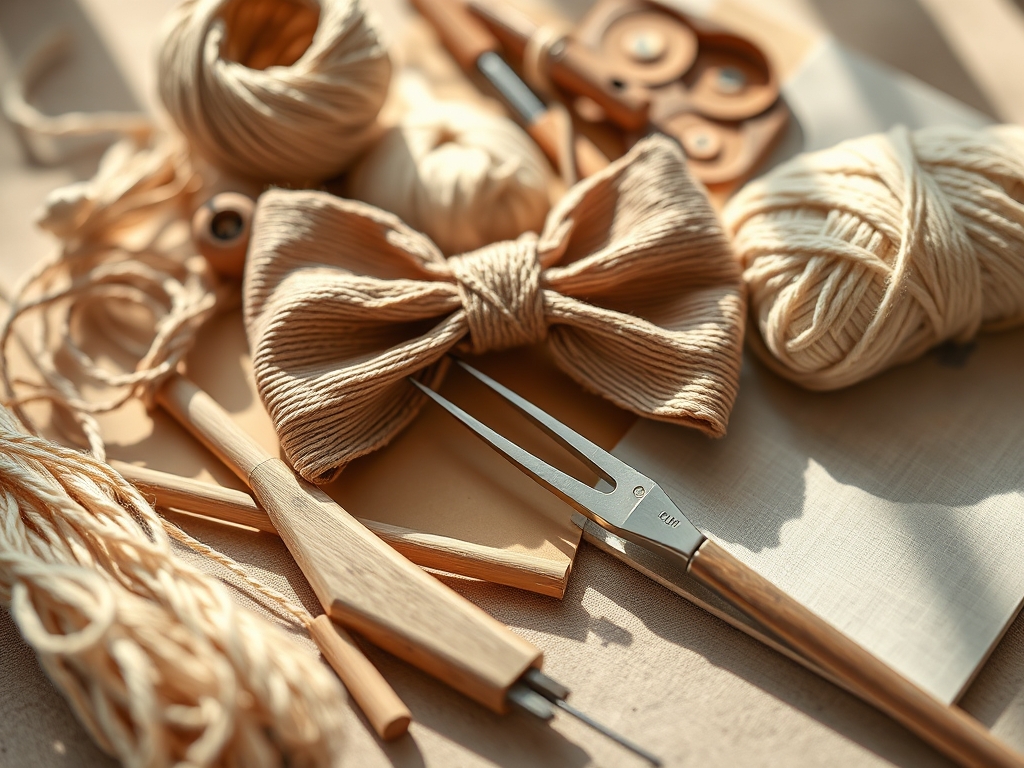
To execute these bows with professional precision, your toolkit must prioritize tensile strength and ergonomic control. You will need a pair of high carbon steel fabric shears for clean cuts that do not crush the velvet pile. A rotary cutter paired with a self healing mat is essential for long, straight strips where grain alignment is critical. For the stitching itself, select a size 10 sharps needle; its slim profile minimizes the puncture diameter, preventing the delicate velvet weave from scarring. Your thread should be a high quality polyester or silk ply to ensure it does not snap under the tension of the center knot.
If you find yourself without traditional velvet, your Material Substitutions could include a heavy weight brushed moleskin or a high density corduroy. While these lack the silk sheen, they offer similar structural stability. Use a bone folder to crisp your edges before stitching, and keep a tailors ham nearby to press the seams without flattening the nap of the fabric. A jewelers saw or small wire cutters might even come in handy if you are integrating custom metal hardware into the clip assembly.
THE TEMPO
The Maker's Rhythm is a balance between technical accuracy and fluid movement. For a single bow, expect a total duration of 45 to 60 minutes. The first fifteen minutes are dedicated to the "Preparation Phase," where you calculate the warp and weft of your fabric to ensure the bow loops do not sag. The "Construction Phase" takes about thirty minutes; this is where the hand stitching happens. You must maintain a consistent stitch gauge to ensure uniform tension across the seam. The final fifteen minutes are the "Finishing Phase," involving the attachment of the hardware and the final steaming. Do not rush the cooling period after steaming. The fibers need time to set in their new geometric configuration to ensure the bow maintains its "bounce" over months of wear.
THE CORE METHOD
1. Precision Mapping and Cutting
Measure your velvet strips using calipers or a precision ruler to ensure exact symmetry. Velvet is notorious for "creeping" during the cut due to the directional nature of the pile. Always cut with the nap facing downward to stabilize the fibers against the cutting surface.
Mastery Tip: Understand directional friction. If you rub your hand against the grain, the resistance increases. Always align your pattern pieces so the nap runs downward toward the floor when the bow is worn; this prevents dust from becoming trapped in the fibers and maintains a smoother luster.
2. The Structural Basting Stitch
Before the final seam, use a long basting stitch to hold the layers in place. Because velvet is a porous material with a slippery backing, pins often cause shifting. A temporary stitch provides a mechanical lock that pins simply cannot match.
Mastery Tip: This utilizes shear stress management. By pre-stitching, you distribute the force of the fabric layers evenly, preventing the "stair-step" effect where the top layer of fabric ends up longer than the bottom layer after sewing.
3. Executing the Hidden Ladder Stitch
Join the edges using a ladder stitch, burying the thread within the depth of the pile. This creates an invisible seam that maintains the structural integrity of the loop without creating a visible ridge that would disrupt the fabric's drape.
Mastery Tip: This relies on capillary action and fiber density. As you pull the thread taut, the velvet pile closes over the entry point. The density of the weave hides the thread completely, provided your stitch length is consistent with the fabric's thread count.
4. The Center Cinch and Compression
Gather the center of the bow using a heavy duty thread. This is the point of highest stress. You are compressing multiple layers of dense fabric into a tiny radius, which requires significant tensile force.
Mastery Tip: Use a surgeon's knot for the initial cinch. The extra wrap in the knot provides enough friction to hold the tension while you prepare the final tie-off, ensuring the "waist" of the bow does not expand and lose its crisp shape.
5. Hardware Integration and Burnishing
Attach the alligator clip or barrette using a reinforced whip stitch. If you are using a ribbon wrap for the center, use a bone folder to burnish the edges of the ribbon for a flush, professional finish against the velvet.
Mastery Tip: Consider galvanic corrosion if you are using cheap metal clips. Always opt for stainless steel or coated hardware to ensure that moisture from hair products does not react with the metal and stain the premium velvet fibers over time.
THE TECHNICAL LEDGER
Maintenance & Longevity: To keep these bows pristine, never wash them in a machine. Use a soft bristle brush to remove lint, moving always in the direction of the nap. If the bow loses its shape, a light application of localized steam will reactivate the hydrogen bonds in the fibers, allowing you to reshape the loops.
Material Variations:
- Silk Velvet: Highest luster, lowest durability.
- Rayon Velvet: Excellent drape, mid-range price.
- Polyester Velvet: High durability, sweat resistant, best for daily wear.
- Recycled Velvet: Often sourced from vintage garments; check for dry rot before stitching.
The Correction:
- The Creep: If layers shift, use a walking foot or hand-baste with a zig-zag pattern to lock the fibers.
- The Crush: If you over-press the velvet, use a needle to gently lift the fibers while applying steam to restore the pile.
- The Snap: If your thread breaks during the cinch, switch to a bonded nylon thread which offers superior elasticity and strength.
Studio Organization: Store your velvet flat in acid-free tissue paper. Never stack heavy objects on top of finished bows, as this can cause permanent fiber displacement, resulting in "bruised" spots on the velvet that cannot be steamed out.
THE FINAL REVEAL
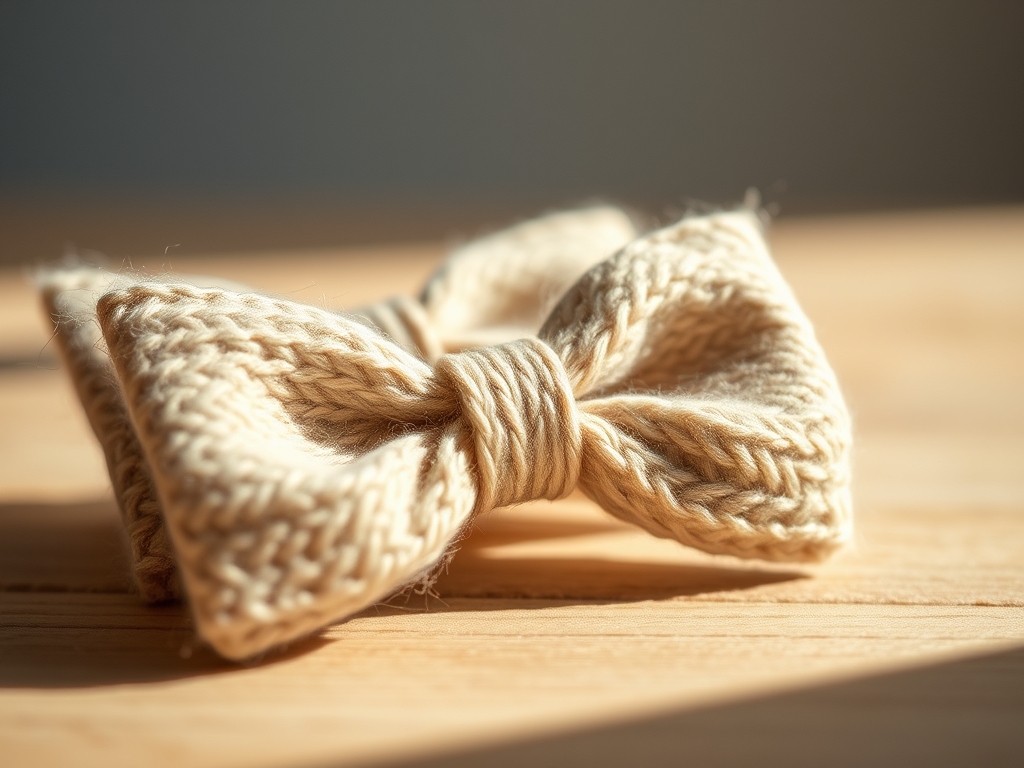
Look at that architectural masterpiece! When you hold your finished Hand Stitched Hair Bows up to the light, you should see a perfect play of shadow and highlight. The center cinch should be tight and crisp, while the loops should have enough internal "spring" to hold their volume. There is a specific weight to a hand-stitched piece that a factory-made version simply cannot replicate. You have successfully navigated the physics of a difficult textile and come out the other side with a professional grade accessory. It is time to see these in action; they are ready for the spotlight.
STUDIO QUESTIONS
Which velvet is best for beginners?
Polyester velvet is the most stable. It has a stiffer backing which provides better dimensional stability, making it easier to handle during the hand stitching process without the fabric warping or stretching excessively.
How do I stop the edges from fraying?
Use a fray check solution or a very careful heat seal if the fabric is synthetic. For natural silks, a tight overcast stitch is the most professional way to maintain the edge density.
Why does my bow look flat?
This is usually a failure of structural tension. If your center cinch is not tight enough, the loops lose their leverage. Ensure your thread has high tensile strength and pull the center tighter than you think necessary.
Can I use a sewing machine instead?
You can, but the presser foot pressure often displaces the velvet pile, causing "shiners" or uneven seams. Hand stitching allows for micro-adjustments that respect the delicate nature of the velvet's surface.
How do I clean a velvet bow?
Spot clean only using a damp cloth. Avoid heavy detergents that can strip the natural oils from silk or degrade the synthetic coatings on polyester, which would result in a loss of sheen.